Hydraulic systems require reliable connections to maintain pressure, prevent leaks, and ensure stable operation. Among various hydraulic connection solutions, JIC bulkhead fittings are widely used because they provide secure panel-mounted connections while maintaining the advantages of the 37° flare sealing design.
A JIC bulkhead fitting allows hydraulic lines to pass through panels, walls, or equipment structures while creating a strong and organized connection point. This makes it suitable for machinery, mobile equipment, industrial systems, and applications where space management and connection reliability are important.
Duoli Hydraulics provides hydraulic fitting solutions designed for different industrial requirements, helping customers achieve durable and efficient fluid connection systems.
A JIC bulkhead fitting is a hydraulic connector designed to pass through panels or barriers while creating a secure fluid connection using a 37° flare sealing system.
Unlike standard hydraulic fittings installed directly between hoses and components, a bulkhead fitting is designed for applications where a hydraulic line needs to pass through a structure. The fitting body is mounted through a panel and secured with locking components, creating a stable connection point.
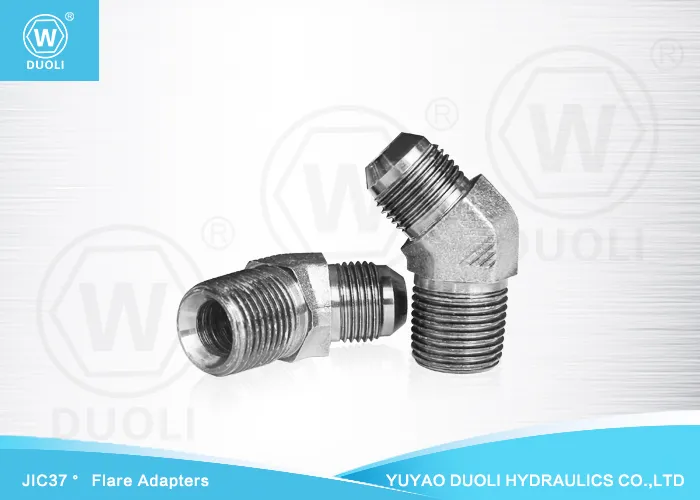
JIC refers to Joint Industry Council standards, which are commonly associated with SAE 37° flare fittings. The flare design uses a metal-to-metal sealing connection that provides reliable performance in hydraulic systems.
Because of their compact structure and dependable sealing performance, JIC bulkhead fittings are commonly selected for applications where installation space, maintenance access, and connection strength are important.
The 37° flare sealing system creates a reliable hydraulic connection by using angled metal surfaces to form a secure seal between fitting components.
The main advantage of the 37° flare design is its ability to provide consistent sealing without relying on additional sealing materials at the connection point.
When a tube or hose end is flared to the correct angle and connected with a matching JIC fitting, the metal surfaces create a tight contact area. This design helps reduce leakage risks and allows the fitting to handle demanding hydraulic conditions.
The 37° flare system is widely recognized in hydraulic applications because it offers:
Reliable sealing performance.
Good resistance to vibration.
Easy assembly and maintenance.
Compatibility with many hydraulic systems.
For engineers and equipment manufacturers, this makes JIC connections a practical choice for applications requiring dependable pressure control.
JIC bulkhead fitting panel installation creates a fixed connection point that allows hydraulic lines to pass through equipment structures while maintaining system organization.
Proper installation is important because the bulkhead fitting must remain stable under pressure and vibration.
Key installation considerations include:
Panel preparation: The mounting hole size and panel thickness should match the fitting specifications to ensure proper positioning.
Locking components: Nuts and washers secure the fitting in place and prevent movement during operation.
Connection alignment: Correct alignment helps avoid unnecessary stress on hoses and hydraulic lines.
Maintenance accessibility: The installation location should allow easy inspection and future servicing.
A well-installed panel-mounted fitting improves hydraulic system layout by separating internal and external connections while reducing unnecessary hose movement.
The performance of a hydraulic bulkhead fitting depends not only on the fitting body but also on compatible nuts, seals, and connection components.
A complete hydraulic connection system requires properly matched components to maintain sealing performance and mechanical stability.
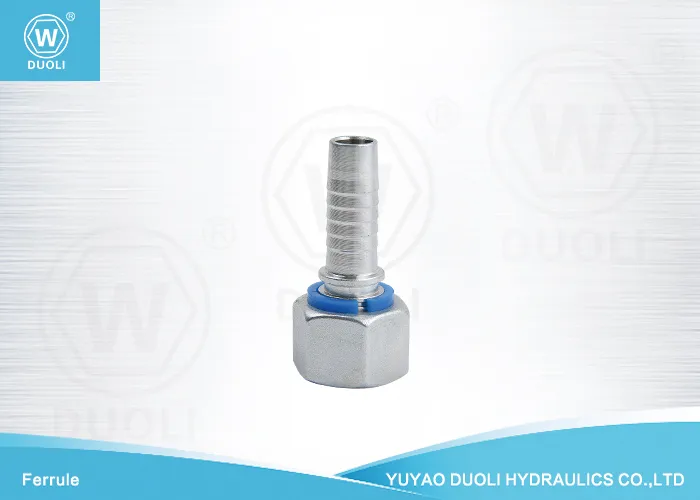
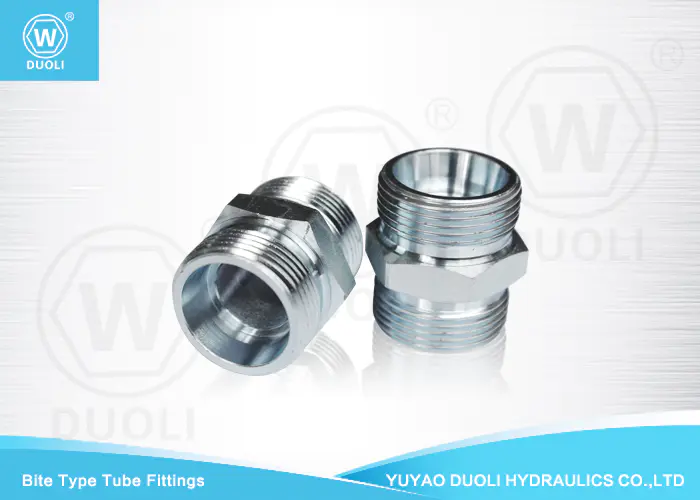
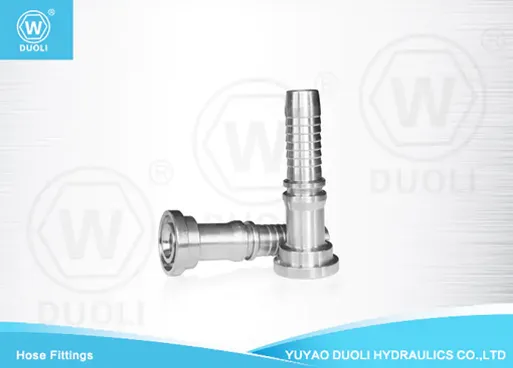
JIC bulkhead assemblies commonly include connection elements such as lock nuts, tube fittings, threaded sections, and sealing components. Selecting compatible threads and materials is important because incorrect combinations may affect installation quality or system reliability.
Material selection also depends on the working environment. Hydraulic systems operating in harsh conditions may require components with higher corrosion resistance and durability.
By combining suitable components, manufacturers can create hydraulic connections that provide long-term performance in demanding applications.
JIC bulkhead fittings are commonly used in hydraulic systems where secure panel connections and reliable fluid transfer are required.
These fittings are found across many industries because they provide flexible installation options.
Typical applications include:
Construction machinery: Hydraulic systems in excavators, loaders, and other equipment require durable connections that withstand vibration and pressure.
Agricultural equipment: Farming machinery uses hydraulic fittings for efficient fluid control and reliable operation.
Industrial equipment: Manufacturing systems often require organized hydraulic routing through panels and machine structures.
Mobile hydraulic systems: Vehicles and specialized equipment benefit from compact and secure connection designs.
The versatility of these fittings makes them suitable for both original equipment manufacturing and hydraulic repair applications.
Selecting the right JIC bulkhead fitting requires evaluating pressure requirements, materials, thread specifications, and application conditions.
Before choosing a fitting, engineers and buyers should consider several factors:
Material and durability: Select materials based on operating environment, corrosion exposure, and expected service life.
Pressure rating: Ensure the fitting can safely handle the hydraulic system’s working pressure.
Thread type and compatibility: Confirm that the fitting matches existing hoses, tubes, and hydraulic components.
Application requirements: Consider temperature, vibration, installation space, and maintenance needs.
Choosing the correct hydraulic bulkhead fittings helps improve system reliability and reduces potential maintenance issues.
Duoli Hydraulics provides hydraulic fitting solutions with manufacturing experience, quality control, and customization capabilities for different industrial applications.
Reliable hydraulic connections require consistent production standards and attention to technical details. Duoli Hydraulics focuses on producing fittings that meet the requirements of various hydraulic systems.
The company supports customers with solutions for different connection needs, including hydraulic equipment, industrial machinery, and customized applications.
With professional manufacturing capabilities, Duoli Hydraulics helps customers achieve stable, efficient, and durable hydraulic connection systems.
JIC bulkhead fittings provide a reliable solution for hydraulic systems that require secure panel-mounted connections, efficient space utilization, and dependable sealing performance.
With their 37° flare design, flexible installation options, and wide range of applications, these fittings are widely used in construction machinery, agricultural equipment, industrial systems, and mobile hydraulic applications.
Selecting the correct fitting type, material, and specifications is essential for achieving long-term hydraulic system performance. Duoli Hydraulics provides professional hydraulic fitting solutions designed to support different engineering and manufacturing requirements.
A JIC bulkhead fitting is used to create a secure hydraulic connection through panels, walls, or equipment structures.
The 37° flare design creates a reliable metal-to-metal seal that provides strong hydraulic connection performance.
Yes. Properly selected JIC fittings can be used in many hydraulic applications requiring reliable pressure performance.
A bulkhead fitting is designed to pass through panels or barriers, while standard fittings usually connect components directly.
Consider pressure rating, material, thread compatibility, installation requirements, and operating environment.
They are commonly used in construction machinery, agricultural equipment, industrial systems, and mobile hydraulic applications.

 English