Hydraulic hoses play a vital role in many industrial and mechanical applications, but choosing the right hose for the specific medium is essential. This guide explains the main uses of hydraulic hoses, examines whether they can safely transport gasoline and diesel, and explores the chemical compatibility between fuels and hose materials. It also outlines the key requirements for fuel hoses to help you make the correct selection and ensure safe operation.
Hydraulic hoses are not suitable for conveying gasoline.
Most hydraulic hoses are made primarily from nitrile rubber (NBR). This material performs well with hydraulic oil because the chemical structure of NBR is relatively stable when in contact with hydraulic fluids, allowing the system to operate reliably. However, the situation changes significantly with fuels such as gasoline.
Gasoline contains a high proportion of aromatic hydrocarbons, which are chemically aggressive. When these compounds come into contact with nitrile rubber, they can cause the material to swell. In essence, high-aromatic fuels disrupt the molecular structure of NBR, leading to a sharp decline in the hose’s oil resistance and overall performance. This degradation creates serious safety risks, including potential leaks or failures.
Additionally, hydraulic hoses are manufactured according to different performance standards than dedicated fuel hoses, so they do not meet the industry requirements for gasoline transportation.
In certain situations, hydraulic hoses can be used to transport diesel fuel. Hoses made from nitrile rubber (NBR) or fluororubber (FKM) are often chemically compatible with diesel and its common additives. Such use should only proceed with professional guidance from the supplier.
Nevertheless, for optimal safety and long-term reliability, it is strongly recommended to select hoses that are specifically designed and certified for diesel fuel transportation. These specialized hoses offer better material compatibility, appropriate design standards, and greater suitability for the operating conditions typical of diesel systems, thereby minimizing potential risks.
Gasoline is a highly volatile, corrosive, and permeable petroleum-based fuel. Only hoses that are specially engineered for gasoline service and constructed from compatible materials should be used to transport it.
Common suitable options include rubber fuel hoses such as those meeting SAE J30 R6 and R7 specifications, as well as fuel injection hoses meeting SAE J30 R9. PTFE fuel hoses provide excellent resistance to gasoline and its additives, making them suitable for gasoline, ethanol, methanol, and similar fuels. Nylon fuel hoses are also widely used in gasoline systems due to their strong resistance to ozone and UV exposure. Composite fuel hoses offer good chemical corrosion resistance and antistatic properties, allowing them to handle gasoline delivery safely.
It is important to note that PVC hoses, EPDM hoses, and ordinary rubber hoses are not suitable for gasoline and must never be used in any fuel-related applications.
Hydraulic hoses are designed to transmit high-pressure fluids and deliver power within hydraulic systems. They are widely used across many industries and can adapt to a variety of demanding environments.
In construction machinery, hydraulic hoses are essential for controlling the boom movements of excavators. In agricultural equipment, they power the hydraulic suspension systems of tractors. Construction cranes rely on them for lifting and lowering operations, while injection molding machines use them to drive mold closing and material injection. Mining machinery depends on hydraulic hoses to deliver pressurized oil for its various functions. In the aerospace sector, these hoses help operate the retraction and extension of aircraft landing gear. On automotive production lines, they are commonly used in tooling and fixture control systems.
Hydraulic hoses and fuel hoses serve different purposes and are engineered with distinct priorities.
Fuel hoses must withstand the corrosive effects of gasoline or diesel, so their materials are selected for strong oil resistance and chemical compatibility. Common materials include nitrile rubber (NBR) and fluororubber (FKM). While hydraulic hoses also require good oil resistance, their primary focus is on high pressure resistance and durability against abrasion. They are often made from natural rubber, nitrile rubber, neoprene, fluororubber, styrene-butadiene rubber, or other synthetic rubbers.
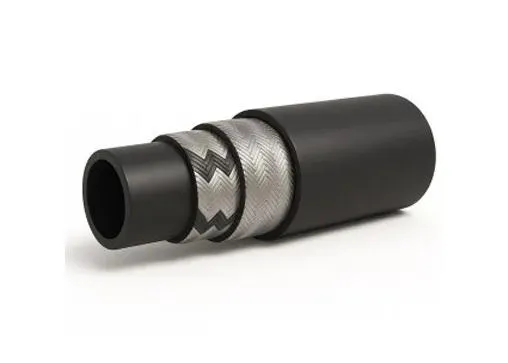
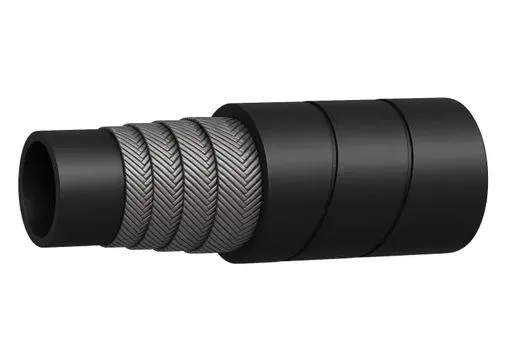
In terms of pressure resistance, hydraulic hoses are built to handle significant pressure fluctuations. They usually feature high-strength steel wire braiding or spiraling in the reinforcement layer to maintain stability under extreme pressure. Fuel hoses require some pressure resistance, but the demands are generally much lower than those for hydraulic applications.
Safety standards also differ. Hydraulic hoses commonly comply with international standards such as ISO, SAE, and EN, along with Chinese national standards like GB/T. The most frequently referenced specifications include ISO 18752, SAE J517, DIN EN 853, and DIN EN 856. In contrast, the primary standard for fuel hoses is SAE J30, which governs rubber hoses used in automotive fuel systems.
Regarding applications, fuel hoses are mainly used in fuel delivery systems, such as automotive refueling lines and marine fuel lines, where flexibility and corrosion resistance are critical. Hydraulic hoses, on the other hand, are primarily employed in industrial equipment that requires high-pressure fluid transmission, such as hydraulic machine tools, excavators, and other heavy machinery that demands stable performance under high pressure.
Can hydraulic hoses be used for natural gas?
Hydraulic hoses are generally not suitable for transporting natural gas. They are designed for liquid media and, although they offer high pressure resistance, they lack the necessary internal sealing properties and do not comply with gas-specific industry standards. Using them for natural gas can create safety hazards. Dedicated hoses that meet gas transportation standards should always be used instead.
What happens if you use a hydraulic hose as a fuel hose?
Using a hydraulic hose for fuel delivery can lead to serious issues. The high solubility of gasoline can cause the inner rubber layer to swell, soften, and eventually crack, resulting in leaks. In the presence of a spark or ignition source, this can quickly lead to fire or explosion.
How to choose a fuel hose?
When selecting a fuel hose, it is important to consider its resistance to the aromatic content of the fuel, as well as its compatibility with modern fuel additives and petroleum-based additives (including those found in unleaded and biodegradable fuels). Special requirements such as antistatic properties (for example, through copper wire, antistatic rubber, or conductive rubber) should also be evaluated, especially in environments where explosive atmospheres may be present.
Where can I buy oil-resistant hydraulic hoses?
You can purchase high-quality hydraulic hoses and specialized fuel hoses from Duoli, a reliable hydraulic hose manufacturer in China. Duoli professionally produces a wide range of hydraulic hoses that meet or exceed international standards and also supplies fuel hoses that comply with SAE J30 specifications. The products offer excellent quality at competitive prices.

 English