Railway Air Brake Hose Coupling is essential hydraulic components in train brake systems, ensuring leak-proof pressure transmission and operational safety. This article explores their key technologies, AAR standards, and vital role in modern railways.
Within the intricate network of railway systems, the reliability of every component is paramount to the safety and efficiency of the entire operation. Among these, the Railway Air Brake Hose Coupling stands out as a critical link—the "safety lifeline" connecting the brake air lines between carriages. It is far more than a simple connector; it is a core hydraulic rail hose and fitting assembly bearing immense responsibility for safety.
The primary mission of the Railway Air Brake Hose Coupling is to automatically and reliably connect the main brake pipe as carriages are coupled. It must transmit the compressed air for braking commands without leakage during high-speed, long-distance, and high-frequency operations. Any failure causing pressure loss can directly lead to brake failure or unintended emergency braking, with potentially catastrophic consequences. Therefore, its reliability is the cornerstone of brake system safety.
To withstand extremely harsh operating conditions—including severe longitudinal impacts, constant vibration, extreme temperature fluctuations, and exposure to the elements—high-quality Railway Air Brake Hose Coupling must employ top-tier engineering design and materials.
Multi-Layer Reinforced Hose: The rail hose typically features an oil-resistant, anti-aging synthetic rubber inner tube, reinforced with high-tensile synthetic fiber or steel wire braiding. This construction provides high burst pressure resistance and excellent pulse fatigue performance.
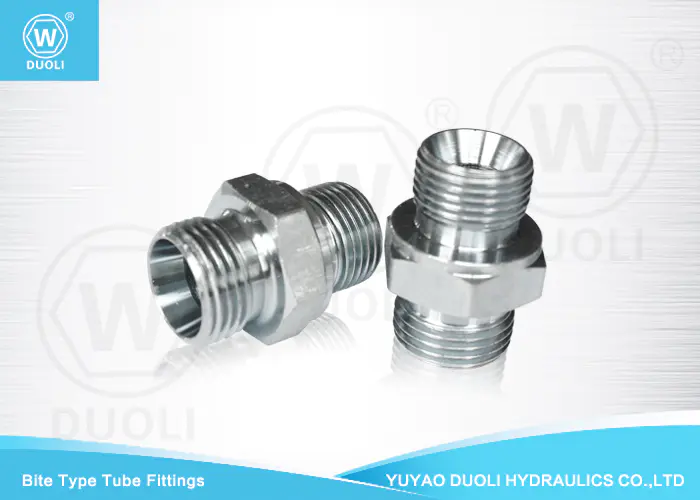
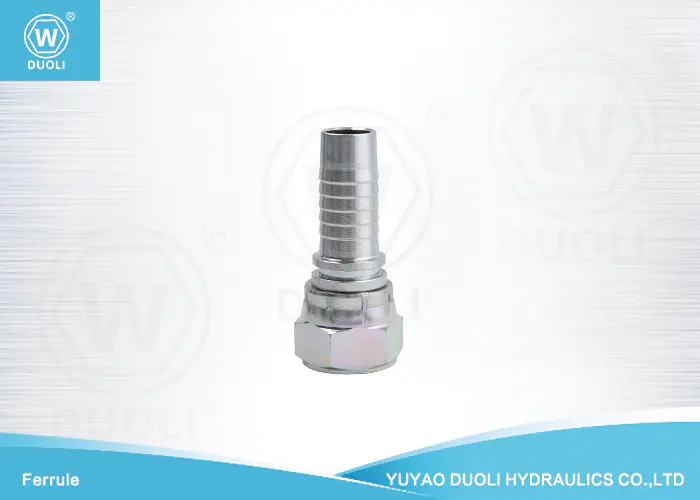
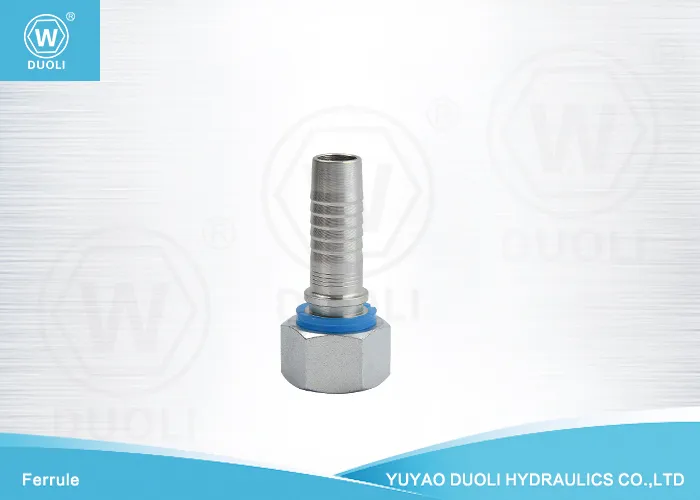
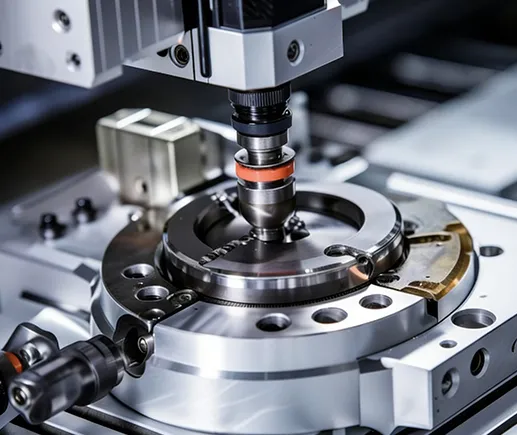
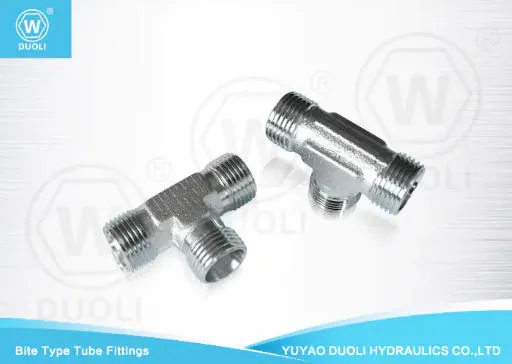
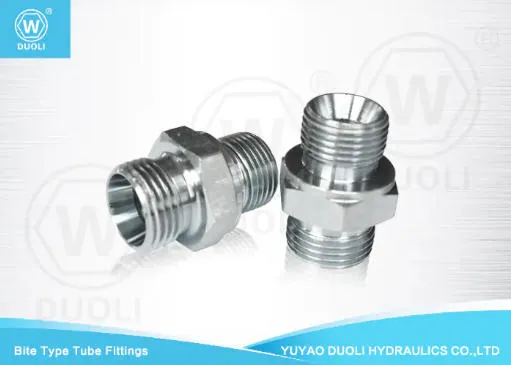
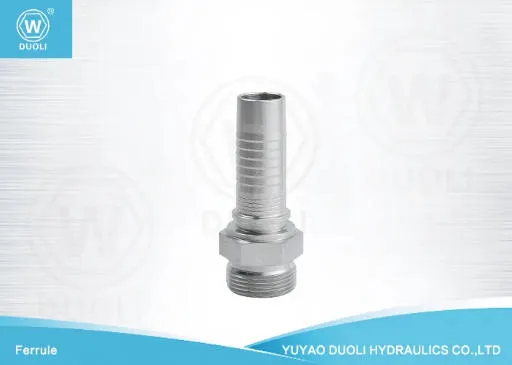
Precision-Forged Fittings: The fittings are usually precision-forged from high-strength brass or alloy steel, ensuring mechanical strength and corrosion resistance. Their sealing mechanism (e.g., face seal or O-ring) is meticulously designed to maintain a perfect seal through countless coupling and uncoupling cycles.
AAR Certification Compliance: In major global markets, particularly North America, products must meet stringent AAR certification requirements. This standard sets rigorous benchmarks for the coupling's leak-tightness, durability, performance under high/low temperatures, and tensile strength, serving as a authoritative endorsement of quality and safety.
As railway technology advances towards higher speeds, heavier loads, and greater intelligence, Railway Air Brake Hose Coupling is also evolving.
Adapting to Higher Speeds & Loads: High-speed rail demands faster brake response, posing new requirements for the coupling's flow design and pressure transmission efficiency. Heavy-haul railways require couplings that can withstand higher system pressures and more intense longitudinal impacts.
Intelligence & Predictive Maintenance: Smart couplings with integrated sensor technology are an emerging trend. These can monitor line pressure in real-time, detect minor leaks, and transmit data to the train control system, enabling predictive maintenance and preventing unplanned downtime.
For rolling stock manufacturers, railway operators, and maintenance depots, selecting high-quality, highly reliable Railway Air Brake Hose Couplings is not merely a procurement decision but a direct investment in operational safety, efficiency, and asset protection. A superior coupling significantly reduces service failures caused by air line leaks, ensures punctuality, and, most importantly, silently safeguards every journey.
Contact Us Today to learn more about our high-performance Railway Air Brake Hose Coupling and hydraulic rail hose and fitting solutions that comply with international standards and carry AAR certification. Let us help you ensure the safety of your trains.

 English