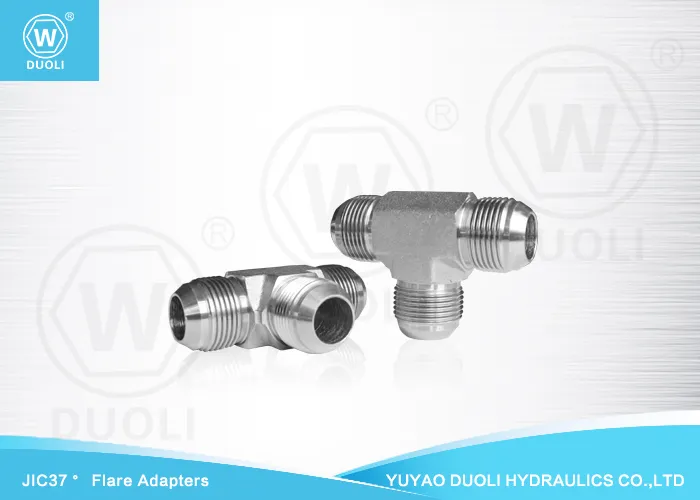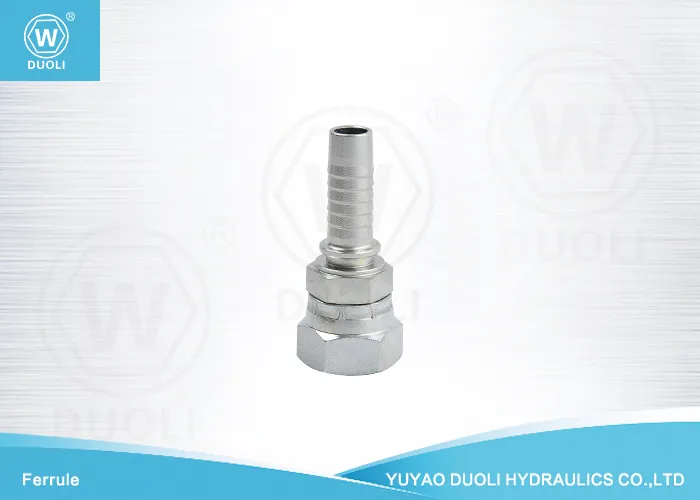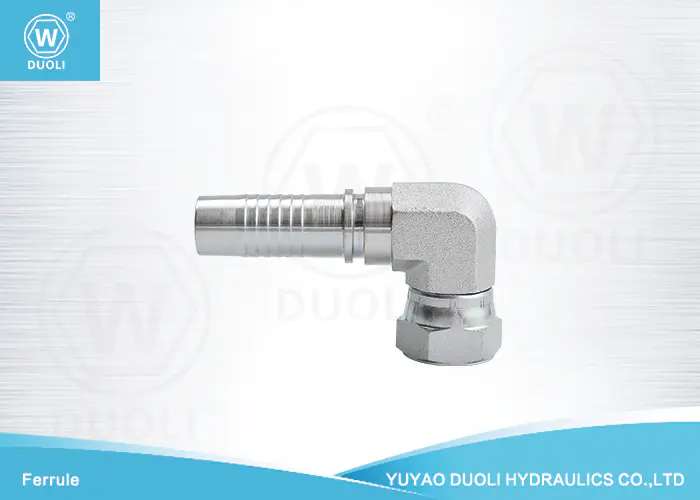
Hydraulic hose fittings are essential components for creating safe and reliable connections between hydraulic hoses and equipment. Among international fitting standards, ISO 12151 provides important specifications for hydraulic hose fittings, helping manufacturers and users ensure connection reliability, sealing performance, and compatibility across different hydraulic systems.
For industries using hydraulic equipment, selecting fittings that comply with ISO 12151 requirements can reduce leakage risks, improve system safety, and extend service life. Whether used in mobile machinery, industrial equipment, or high-pressure hydraulic applications, properly selected fittings are critical for maintaining stable fluid transmission.
This article explains what ISO 12151 specifies, common connection types, sealing requirements, inspection methods, and selection factors for hydraulic hose fittings.
ISO 12151 is an international standard that defines requirements for hydraulic hose fittings used in hose assemblies. It focuses on fitting dimensions, connection designs, performance requirements, and compatibility with hydraulic systems.
The purpose of ISO 12151 is to ensure that hydraulic fittings can provide secure connections under different operating conditions, including high pressure, vibration, and mechanical stress. Standardized fitting designs also improve interchangeability, making installation and replacement easier for global equipment manufacturers.
ISO 12151 covers various fitting structures, including straight fittings, elbow fittings, and connection styles designed for different hose assembly requirements. These fittings are widely used in construction machinery, agricultural equipment, manufacturing systems, and industrial hydraulic applications.
For companies requiring reliable hydraulic connections, choosing ISO-compliant products helps maintain consistent performance and reduces the possibility of system failures caused by poor connection quality.
ISO 12151 includes different connection designs to meet various hydraulic installation requirements. The correct fitting type depends on factors such as hose routing, equipment structure, pressure requirements, and available installation space.
| Connection Type | Application Characteristics |
|---|---|
| Straight Hose Fitting | Used for direct connections where installation space is sufficient |
| 45° Elbow Fitting | Helps improve routing and reduce hose bending stress |
| 90° Elbow Fitting | Suitable for compact systems requiring directional changes |
| Female Hose Fitting | Designed for connections with female threaded interfaces |
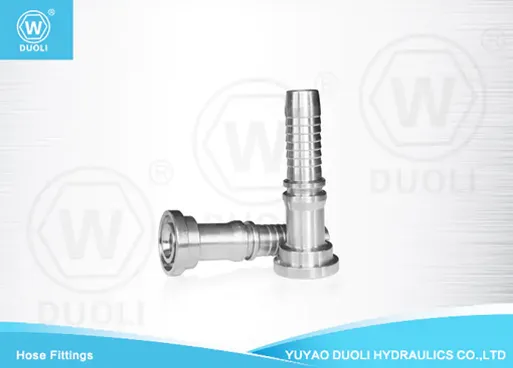
Different connection options allow engineers to select suitable metric hose fittings according to system requirements. For example, elbow fittings can improve hose routing efficiency, while a female hose fitting provides a reliable connection for systems using compatible male ports.
Selecting the correct connection design helps reduce installation stress and improves the overall reliability of hydraulic hose assemblies.
ISO 12151 consists of multiple sections that define different hydraulic hose fitting requirements. Each part addresses specific fitting designs and connection methods to support different hydraulic applications.
ISO 12151-1, ISO 12151-2, and ISO 12151-3 provide guidance on fitting structures, dimensions, and compatibility with hydraulic hose assemblies. Understanding the differences between these sections helps manufacturers and users select suitable fittings for their equipment.
For international hydraulic systems, using fittings that meet the correct ISO 12151 requirements improves compatibility and ensures stable performance. This is especially important for equipment manufacturers supplying machinery to different regions where standardized hydraulic components are required.
Thread design and sealing performance are critical factors when selecting hydraulic hose fittings. Even if the fitting size is correct, incorrect thread matching or damaged sealing surfaces may lead to leakage and reduced system reliability.
A properly designed ISO 12151 fitting must provide accurate thread engagement and reliable sealing performance during operation. Different connection designs may use different sealing methods, including metal-to-metal contact or elastomer sealing elements.
When selecting fittings, the following factors should be considered:
Thread matching: Ensure the fitting thread matches the hydraulic equipment port and connection standard.
Sealing method: Select a suitable sealing structure according to pressure requirements and application conditions.
Hose compatibility: Confirm that the fitting matches the hose material, size, and working pressure.
Installation requirements: Follow correct assembly procedures to prevent over-tightening or connection damage.
A properly selected hose fitting female connection can help maintain secure hydraulic connections where female threaded interfaces are required. For systems using metric standards, metric hydraulic hose fittings provide improved compatibility and reliable sealing performance.
Proper assembly is essential for achieving the expected performance of ISO 12151 hydraulic hose fittings. Incorrect installation methods, unsuitable hose combinations, or improper tightening can cause leakage, fitting damage, and premature failure.
During assembly, technicians should verify that the hose, fitting, and equipment connection are compatible. After installation, inspection procedures such as visual checks and pressure testing help confirm that the hose assembly can safely operate under working conditions.
High-quality inspection processes help identify potential issues before equipment operation. Checking fitting dimensions, connection accuracy, sealing conditions, and assembly quality can significantly improve hydraulic system reliability.
Using reliable fittings and following proper installation procedures is especially important for industrial applications where equipment downtime can result in significant operational costs.
Selecting the correct ISO 12151 fitting requires evaluating the complete hydraulic system rather than focusing only on fitting size. Pressure requirements, hose specifications, connection types, and working environments all influence fitting performance.
When choosing ISO 12151 fittings, consider the following factors:
Working pressure: Select fittings that can safely handle the maximum operating pressure of the hydraulic system.
Thread compatibility: Confirm that fitting threads match equipment ports and hose assembly requirements.
Application environment: Consider temperature, corrosion, vibration, and external conditions.
Hose specifications: Ensure the fitting matches the selected hose type, size, and performance requirements.
Supplier quality: Choose manufacturers with reliable production processes and strict quality control.
An experienced hydraulic component supplier can help customers select suitable solutions for different applications. Duoli Hydraulics provides professional hydraulic hose fittings and connection solutions designed for industrial hydraulic systems, helping customers achieve reliable performance and long-term operation.
ISO 12151 is an international standard that specifies requirements for hydraulic hose fittings, including dimensions, connection designs, and performance requirements for hose assemblies.
ISO 12151 fittings help ensure secure hydraulic connections, reduce leakage risks, and improve compatibility between hoses and hydraulic equipment.
Metric hose fittings are designed for hydraulic systems using metric thread standards. They are commonly used in machinery and equipment manufactured according to international specifications.
A female hose fitting is a hydraulic connector with a female threaded interface. It is commonly used when hydraulic hoses need to connect with male threaded ports.
Selection depends on working pressure, thread type, hose specifications, installation conditions, and operating environment. Proper matching ensures safe and reliable hydraulic performance.
Yes. ISO 12151 fittings are widely used in industrial hydraulic systems, construction equipment, mobile machinery, and other applications requiring dependable hose connections.


 English