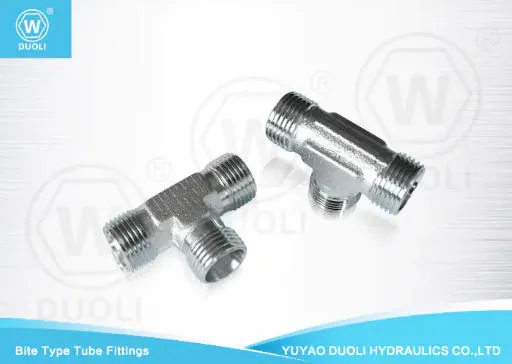
Hydraulic hose fittings form a vital part of any hydraulic system, ensuring stable and efficient fluid power transmission. Over time, these components may require replacement to maintain performance and safety. With more than 16 years of experience, Duoli Hydraulic understands the importance of reliable fittings in every operation. This guide explains when and how to replace hydraulic hose fittings, outlining key tools, step-by-step instructions, and best practices to ensure durable, leak-free connections.
Hydraulic hose fittings are often taken for granted—until problems arise. Prolonged exposure to high pressures, vibration, temperature extremes, or improper installation can lead to corrosion, wear, and leakage. Recognizing the right time for replacement is essential. Any sign of fluid leakage around a fitting usually indicates that it no longer provides an effective seal. Other warning signs include visible rust, deformation, or loose connections. Routine inspections help detect these issues early, preventing major breakdowns. Delaying replacement can lead to pressure loss, equipment damage, or even safety hazards. Replacing damaged fittings promptly ensures consistent system performance and reduces maintenance costs in the long run.
A successful fitting replacement begins with preparation and the right equipment. A set of wrenches of various sizes allows you to handle different fitting dimensions with ease. A sharp hose cutter ensures a clean, straight cut that avoids hose fraying and leakage. A torque wrench is indispensable for applying the correct torque to prevent over- or under-tightening. Proper sealing materials, such as a high-quality fitting sealant or Teflon tape, secure the connection and eliminate potential leaks. Always wear safety gear—goggles and gloves—to protect yourself when working under pressure. Using quality components, such as those designed and manufactured by Duoli, ensures the fitting process goes smoothly and reliably.
Replacing hydraulic hose fittings follows a structured approach to guarantee precision and safety. First, switch off the hydraulic system completely and depressurize it to avoid high-pressure hazards. Then, use a wrench to remove the old or damaged fitting carefully. If the hose end shows signs of wear or damage, trim it using a hose cutter, making sure to cut at a clean angle for a perfect fit. Prepare the new fitting by cleaning the threads and applying sealant or Teflon tape to create a tight seal. Insert and hand-tighten the fitting before securing it with a torque wrench according to the manufacturer’s recommended torque value. Once installed, restart the system gradually and monitor for any signs of leaks or irregular flow. By following this step-by-step process, you can maintain system reliability and match the performance standards upheld by Duoli Hydraulic products.
Achieving a secure seal after fitting replacement is critical to system stability. Always apply the exact torque specified by the manufacturer, as excessive tightening can damage threads while insufficient torque may result in leaks. Check that the threads on both the hose and fitting are clean and undamaged before installation. Using top-grade fittings—such as those produced by Duoli—provides superior sealing capability even under high-pressure conditions. After installation, monitor system performance for early signs of leaks or pressure drops during initial operation. Regular post-installation checks further ensure that your replacement has been completed successfully and that the system performs at its best.
Proactivity is key to minimizing downtime in hydraulic systems. Certain warning signals often indicate when future replacements may be required. Persistent fluid leakage, even after tightening, may point to thread or seal wear. Strange noises such as hissing or whining could suggest small air leaks or internal pressure problems. A noticeable decline in system pressure may also reveal hidden fitting defects. Additionally, excessive heat around the fitting area often points to restricted flow or partial blockage, which can escalate into a system failure if ignored. By monitoring these indicators closely and consulting with experts at Duoli Hydraulic, you can plan timely replacements and maintain system stability and safety.
Replacing hydraulic hose fittings is a crucial part of preventive maintenance that protects both the performance and safety of hydraulic systems. By knowing when to replace fittings, using proper tools, and following a structured procedure, you can significantly reduce downtime and improve equipment reliability. Always remain alert to early warning signs and invest in high-quality, precision-engineered fittings from Duoli Hydraulic to ensure long-term performance. For technical assistance or to explore Duoli’s comprehensive product line, contact us at +86-0574-62981608 or email ritashu@wh-duoli.com.

 English