Selecting the correct hydraulic hose is essential for maintaining system safety, efficiency, and service life. Although low pressure water hose and medium pressure hydraulic hose may appear similar in appearance, they are designed for completely different working conditions, including pressure levels, fluid types, temperature ranges, and application environments.
A low pressure water hose is mainly designed for transferring water and other low-pressure fluids, while a medium pressure hose is built for hydraulic systems that require higher strength and durability. Choosing the wrong hose type may result in leakage, reduced performance, or premature failure.
This article explains the differences between low and medium pressure hose construction, their applications, pressure requirements, material compatibility, and how to select the right solution for different industrial needs.
A low pressure hose is a flexible hose designed to transport fluids under relatively low operating pressure. It is commonly used for water transfer, air systems, lubrication lines, and other applications where extreme pressure resistance is not required.
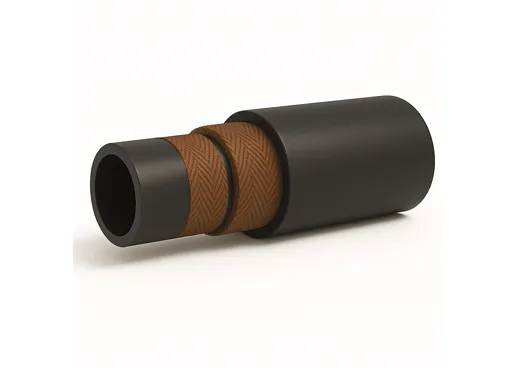
A low pressure water hose typically consists of an inner tube, reinforcement layer, and outer cover. The inner tube provides fluid resistance, while the reinforcement improves strength and prevents expansion during operation.
Compared with high-pressure hydraulic hoses, low pressure hoses usually have a lighter construction, making them more flexible and easier to install. They are widely used in industrial facilities, agricultural equipment, cleaning systems, and general fluid transfer applications.
Different low pressure hose designs are available depending on the transported medium. For example, a low pressure oil hose requires materials that resist oil degradation, while a water hose requires excellent resistance to moisture and environmental exposure.
The main difference between low and medium pressure hoses lies in their reinforcement structure and pressure capability. Medium pressure hoses are specifically designed for hydraulic systems where higher mechanical strength and pressure resistance are required.
A medium pressure hose generally uses stronger reinforcement materials, such as braided steel wire or textile layers, to withstand hydraulic pressure and repeated movement. In comparison, a low pressure hose usually uses lighter reinforcement because its applications involve lower pressure levels.
| Feature | Low Pressure Water Hose | Medium Pressure Hydraulic Hose |
|---|---|---|
| Main Application | Water and low-pressure fluid transfer | Hydraulic systems and industrial equipment |
| Reinforcement | Textile or lightweight reinforcement | Stronger textile or wire reinforcement |
| Pressure Capability | Low operating pressure | Higher working pressure |
| Flexibility | Usually more flexible | Designed for strength and durability |
| Typical Fluids | Water, air, mild fluids | Hydraulic oil and industrial fluids |
The construction difference determines how each hose performs under operating conditions. A low pressure water hose is suitable for simple fluid transfer, while a medium pressure hydraulic hose is designed for systems requiring stable pressure transmission and mechanical reliability.
Low pressure hoses are used across many industries because they provide flexibility and cost-effective fluid transportation. However, each application requires specific hose characteristics.
A low pressure water hose is commonly used for water supply, cleaning equipment, irrigation systems, and industrial water circulation. These hoses are designed to handle moisture exposure while maintaining flexibility during installation.
A low pressure hydraulic return hose is another common application. Unlike pressure lines, return lines carry hydraulic fluid back to the reservoir at lower pressure levels. These hoses require excellent oil resistance and durability to maintain reliable operation.
A low pressure oil hose is designed for transferring lubricants, fuel-related fluids, and oil-based media. The hose material must prevent swelling, cracking, and degradation caused by prolonged oil exposure.
In automotive and mechanical systems, a low pressure brake hose may be used in specific low-pressure braking applications where flexibility and fluid compatibility are important. Selecting the correct hose material is essential because braking systems require reliable performance and safety.
Pressure and temperature are two important factors when selecting between a low pressure hose and a medium pressure hose. Even if the hose pressure rating appears suitable, incorrect temperature conditions may affect performance and service life.
A low pressure water hose is generally designed for applications with moderate temperatures and limited pressure fluctuations. When exposed to excessive heat, chemical exposure, or mechanical stress, the hose material may deteriorate faster.
Medium pressure hoses are typically designed for more demanding environments. Hydraulic systems often experience pressure spikes, vibration, and continuous operation, requiring hoses with stronger reinforcement and better durability.
When selecting a hose, users should consider:
Working pressure: The hose rating should exceed the maximum system pressure.
Temperature range: The hose material must remain stable under operating temperatures.
Pressure fluctuations: Systems with frequent pressure changes require stronger hose construction.
External conditions: Abrasion, weather exposure, and mechanical movement can affect hose performance.
Proper evaluation of these factors helps prevent unexpected hose failures and reduces maintenance costs.
Material compatibility directly affects hose performance and service life. Different fluids require different hose materials to prevent chemical reactions, swelling, or deterioration.
For water applications, a low pressure water hose usually uses rubber or thermoplastic materials that provide good flexibility and resistance to moisture. These materials are suitable for general water transfer and industrial applications.
For hydraulic systems, hose materials must be compatible with hydraulic oils and other operating fluids. A low pressure hydraulic return hose requires oil-resistant inner tubes to maintain long-term performance.
Using an unsuitable hose material may cause leakage, reduced efficiency, or system damage. Therefore, selecting a hose based on actual fluid compatibility is essential.
Choosing between a low pressure water hose and a medium pressure hydraulic hose requires understanding the requirements of the complete system. The correct hose should match the pressure, fluid, temperature, and application environment.
Important selection factors include:
Identify the fluid type: Confirm whether the hose will transport water, oil, hydraulic fluid, or other media.
Check pressure requirements: Select a hose with suitable working pressure and safety margin.
Consider operating conditions: Evaluate temperature, vibration, movement, and external exposure.
Match hose construction: Choose lightweight low pressure designs for simple transfer applications and reinforced hydraulic hoses for demanding systems.
Select a reliable supplier: Work with manufacturers that provide consistent quality and technical support.
Duoli Hydraulics provides professional hydraulic hose solutions designed for industrial applications. By selecting the correct hose construction, customers can improve equipment reliability, reduce downtime, and extend service life.
A low pressure water hose is mainly used for water transfer, cleaning systems, irrigation, and industrial fluid circulation where high pressure resistance is not required.
A low pressure hose is designed for lighter fluid transfer applications, while a medium pressure hose has stronger reinforcement and is designed for hydraulic systems requiring higher pressure performance.
Generally, no. A water hose may not have the necessary oil resistance or pressure capability required for hydraulic applications. A suitable hydraulic hose should be selected instead.
A low pressure hydraulic return hose carries hydraulic fluid back to the reservoir at relatively low pressure. It requires good oil resistance and flexibility.
Selection should consider fluid type, working pressure, temperature, material compatibility, and operating environment.
No. Different oils and temperatures require different hose materials. Always confirm compatibility before selecting a low pressure oil hose.


 English