Choosing the correct hydraulic hose fittings is vital to maintaining the performance and reliability of any hydraulic system. With numerous fitting types and standards available, it’s easy to feel overwhelmed when trying to distinguish one from another. This article explores the main categories of hydraulic hose fittings, key identification features, and methods for comparing technical specifications. We’ll also discuss common identification mistakes and how to avoid them. Whether your work involves railway transportation, cooling systems, or heavy equipment, understanding how to accurately identify fittings will help you build more efficient and durable hydraulic systems.
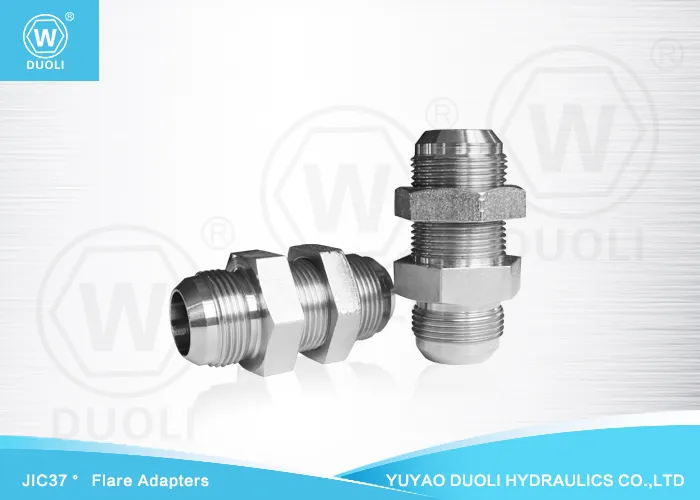
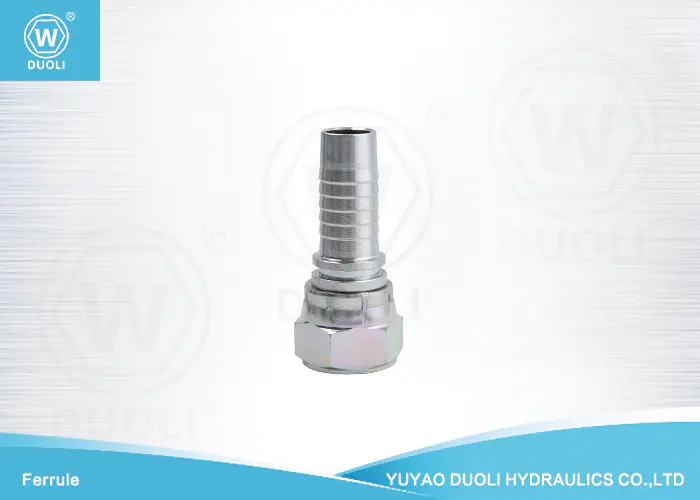
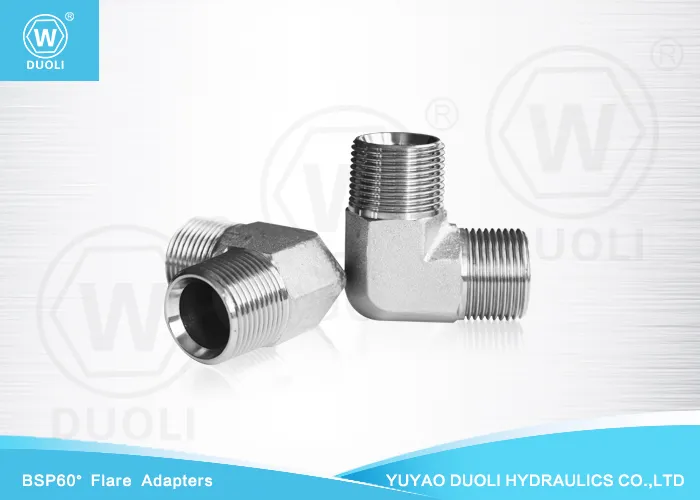
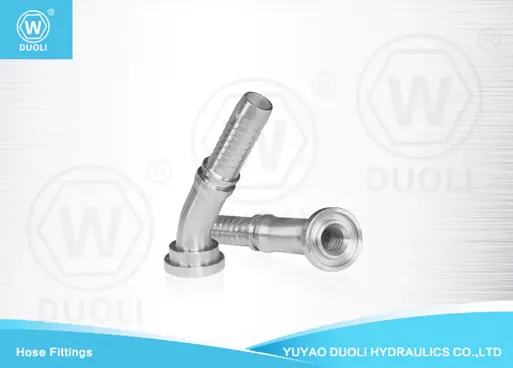
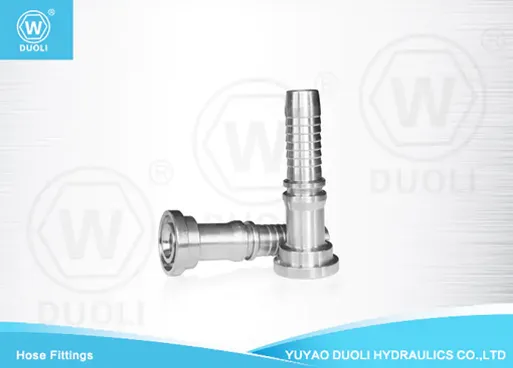
Hydraulic hose fittings serve as essential connectors between hoses, pumps, valves, and other hydraulic components. Several standards define how these fittings are designed, including Metric, British, and American systems. SAE flange fittings are commonly used in high-pressure environments and are available in straight, 30°, 45°, and 90° configurations. Metric fittings, such as the female or male multi-seal and the 24° cone type, are popular in European machinery due to their excellent sealing capability and precise engineering. BSP fittings, known for their 60° cone seat, provide reliable sealing across a wide range of fluid power systems. JIC fittings, featuring a 37° cone seat, are widely used in North America and valued for their strength and adaptability. ORFS fittings, with their flat-face O-ring seals, ensure secure, leak-free connections even in severe conditions. Understanding these fitting types allows technicians to select components optimized for their pressure range, compatibility, and performance requirements.
Identifying hydraulic fittings correctly involves paying attention to a few critical characteristics. The first is thread type—determining whether a fitting is male or female and identifying the specific thread pattern, such as SAE, Metric, or BSP, can narrow down the possibilities quickly. The second factor is the fitting angle, which may vary between straight, 30°, 45°, or 90°. The correct angle ensures proper alignment and prevents undue stress on the hose assembly. Another important consideration is diameter and size. Since fittings must match hose dimensions exactly, precise measurement using calipers or gauges is essential. Lastly, the material and coating of the fitting can influence performance. For example, stainless steel fittings are ideal for high-stress or corrosive environments. By carefully evaluating these features, professionals can make informed choices that increase safety, reliability, and system efficiency.
Specification charts are indispensable tools for identifying and comparing fittings accurately. These charts detail the dimensions, material types, and pressure ratings associated with each fitting standard. Start by identifying the appropriate standard, such as SAE or Metric, and refer to the corresponding section of the chart. Next, cross-reference the pressure rating of the fitting with your system’s requirements to ensure compatibility. Using a caliper or micrometer, measure the dimensions of your fitting and compare them with the listed specifications to confirm a precise match. Finally, pay attention to the materials described in the chart, as selecting the proper alloy or protective coating can enhance performance and resistance to corrosion. Utilizing these charts simplifies the identification process and helps prevent costly mistakes. Companies like Duoli Hydraulic apply these same standards in manufacturing, ensuring that each fitting meets rigorous performance expectations across diverse applications.
Misidentifying hydraulic fittings is a common issue that can cause leaks, inefficiencies, or even complete system failure. One of the most frequent errors is confusing BSP and NPT thread types. Although they appear similar, BSP threads are parallel while NPT threads are tapered, which makes them incompatible. Another common mistake involves mixing measurement systems—for example, measuring fittings in millimeters when the standard uses inches or vice versa. Always confirm the units before final selection. In addition, professionals sometimes overlook application-specific requirements. A fitting suited for low-pressure use may fail under heavy pressure if improperly selected. To avoid these pitfalls, consult reliable documentation and product guidelines before making purchases. Duoli Hydraulic offers expert advice and a comprehensive range of fittings built to different international standards, helping customers identify and select the right products for their projects.
Correctly identifying hydraulic hose fittings is essential for system safety, efficiency, and longevity. Improper identification can result in leaks, loss of pressure, and mechanical failure, increasing downtime and costs. Accurate fitting choices also enhance workplace safety by preventing hydraulic bursts and other hazards. From an operational standpoint, using the right fittings maintains optimal fluid flow and reduces the need for frequent maintenance. Over time, this precision contributes to longer equipment life and improved productivity. Professionals who master fitting identification gain a competitive advantage, ensuring their systems run smoothly and reliably across various high-performance industries.
Identifying hydraulic hose fittings accurately requires an understanding of fitting types, awareness of key features, and the ability to reference specification charts effectively. Avoiding common misidentifications leads to safer and more efficient hydraulic systems. With over 16 years of expertise, Duoli Hydraulic continues to deliver high-quality, precisely engineered fittings and hoses tailored to diverse hydraulic applications. Explore Duoli’s comprehensive range of products and professional support to optimize the performance and reliability of your hydraulic systems.


 English