Railway braking systems require reliable components to ensure safe and stable train operation. Among these components, the railway air brake hose coupling plays a critical role in connecting brake hoses between railway vehicles and maintaining continuous compressed air transmission. A high-quality coupling helps improve braking response, prevent air leakage, and support long-term railway safety.
Designed for demanding railway environments, the railway air brake hose coupling must withstand vibration, pressure changes, temperature fluctuations, and repeated connection operations. Understanding its structure, working principle, material requirements, common failures, inspection methods, and selection factors is essential for railway manufacturers, operators, and maintenance companies looking for dependable railway brake hose solutions.
A railway air brake hose coupling is a specialized connector used to connect air brake hoses between locomotives, passenger coaches, and freight wagons. Its main function is to create a secure and airtight connection, allowing compressed air to flow throughout the railway braking system.
In pneumatic braking systems, pressure changes inside the brake pipe control the braking actions of connected vehicles. The coupling ensures that these pressure signals can be transmitted accurately and quickly across the entire train, allowing different vehicles to respond simultaneously during braking.
Unlike standard industrial connectors, railway air brake hose coupling products are designed specifically for railway applications. They require excellent sealing performance, mechanical strength, and durability to operate under harsh conditions such as vibration, temperature variation, and continuous movement.
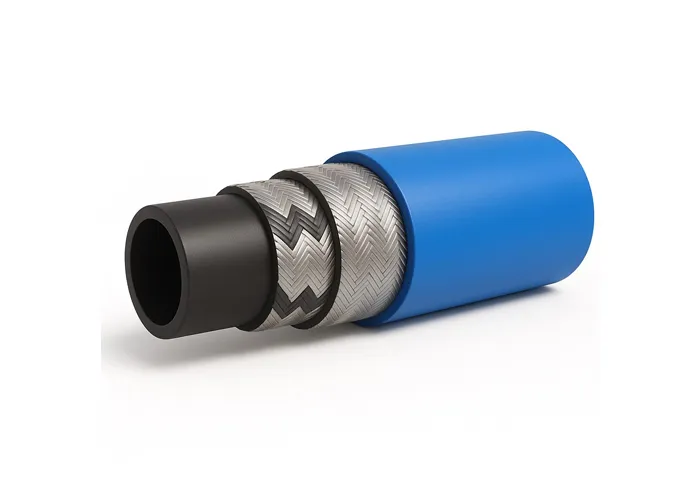
A complete rail hose assembly usually includes the hose body, coupling head, sealing gasket, and locking structure. These components work together to maintain stable airflow and reliable braking performance.
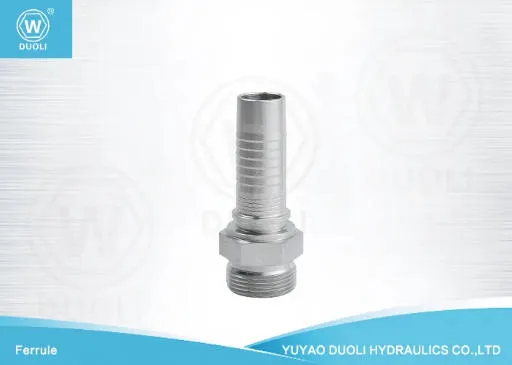
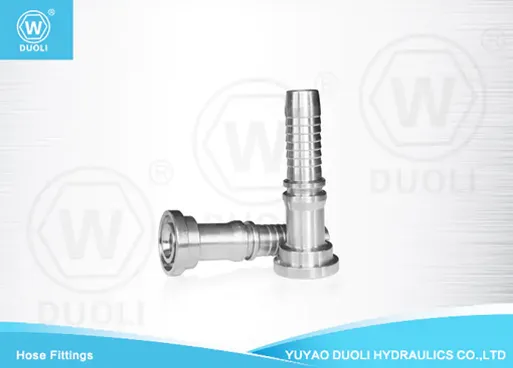
The railway air brake hose coupling consists of several important components that ensure both connection stability and efficient air transmission.
| Component | Function |
|---|---|
| Coupling Head | Connects brake hoses and provides an airflow passage |
| Sealing Gasket | Prevents air leakage at connection points |
| Hose Connector | Fixes the hose and transfers air pressure |
| Locking Structure | Keeps the coupling secure during operation |
The working principle of a railway air brake hose coupling is based on pneumatic pressure transfer. When two railway vehicles are connected, the coupling creates a continuous airflow channel between brake systems. During braking, pressure changes travel through the connected rail hose network, allowing different vehicles to respond at the same time.
A reliable coupling design maintains stable sealing even when trains experience vibration, movement, and mechanical impact. This reduces pressure loss and helps improve braking efficiency and operational safety.
The material quality of railway brake hose components directly affects safety, durability, and service life. Railway equipment often operates outdoors and faces challenges such as moisture, corrosion, temperature changes, and continuous mechanical stress.
The metal parts of a railway air brake hose coupling are commonly manufactured from strong and corrosion-resistant materials, including stainless steel, aluminum alloy, or specially treated steel. These materials provide the necessary mechanical strength while improving resistance against environmental damage.
The hose section requires reinforced rubber materials that provide flexibility, pressure resistance, and aging protection. Since railway hoses experience repeated vibration and movement, the materials must maintain reliable performance throughout long service periods.
Key performance requirements include:
High pressure resistance to prevent deformation and leakage during operation.
Reliable sealing performance to maintain stable airflow and braking response.
Strong wear resistance to support frequent connection and disconnection.
Environmental durability to withstand outdoor railway conditions.
Selecting materials that match the working environment can significantly reduce maintenance frequency and improve the reliability of railway braking systems.
Although railway air brake hose coupling systems are designed for long-term operation, failures may still occur due to aging, improper maintenance, or harsh operating environments.
One common failure is air leakage caused by damaged sealing components. When gaskets lose elasticity or become worn, the connection may no longer maintain sufficient airtightness, resulting in pressure loss and reduced braking performance.
Another issue is damage to the rail hose itself. Long-term exposure to vibration, temperature changes, and external impact may cause cracks, surface wear, or material aging. In addition, corrosion or deformation of coupling parts can prevent proper connection and reduce system reliability.
Regular inspection and timely replacement of damaged components are essential to prevent unexpected railway operation problems and maintain braking safety.
Proper inspection and maintenance help extend the service life of railway air brake hose coupling systems. Maintenance teams should regularly check the physical condition and connection performance of each component.
| Inspection Item | Checking Method |
|---|---|
| Hose condition | Check cracks, wear, and aging signs |
| Coupling connection | Confirm proper locking and alignment |
| Sealing components | Inspect leakage and gasket condition |
| Metal parts | Check corrosion and deformation |
During maintenance, operators should clean connection surfaces, replace worn sealing parts, and conduct leakage tests when necessary. Spare rail hose products should be stored properly in dry environments to prevent material deterioration.
A preventive maintenance program improves braking system reliability and helps reduce downtime caused by component failure.
Selecting the right railway air brake hose coupling requires careful evaluation of application requirements, operating conditions, and supplier capabilities. Different railway vehicles may require different coupling specifications depending on braking system design and operating environment.
When choosing railway brake hose components, buyers should focus on the following factors:
System compatibility: Ensure the coupling matches the railway vehicle type and braking system specifications.
Material and durability: Select components that can withstand pressure, vibration, corrosion, and temperature changes.
Quality standards: Choose suppliers with strict manufacturing processes, reliable testing procedures, and consistent product quality.
Service support: Consider technical support, delivery capability, and long-term cooperation potential.
An experienced manufacturer can provide customized solutions for different railway applications. Duoli Hydraulics focuses on providing reliable hydraulic and connection components designed for demanding industrial environments, helping customers improve system reliability and operational efficiency.
A railway air brake hose coupling connects brake hoses between railway vehicles and creates a continuous compressed air passage. It allows braking signals to transfer effectively throughout the train system.
The coupling structure is usually made from durable metals such as stainless steel, aluminum alloy, or treated steel. The hose part commonly uses reinforced rubber materials with good flexibility and aging resistance.
Inspection frequency depends on operating conditions and railway maintenance standards. Regular checks should identify leakage, hose aging, sealing damage, and corrosion before they affect braking performance.
Common causes include damaged sealing gaskets, hose cracks, aging materials, corrosion, improper installation, and mechanical impact. Regular maintenance helps prevent unexpected failures.
The correct coupling should match the vehicle type, braking system requirements, working pressure, and operating environment. Supplier experience, quality control, and technical support should also be considered.
Reliable sealing prevents compressed air leakage and maintains stable pressure transmission. Poor sealing performance may reduce braking efficiency and create operational safety risks.

 English