In today’s industrial landscape, hydraulic hoses and industrial hoses serve as essential components for fluid transmission. They are widely used across machinery, manufacturing, construction, and many other sectors. Although they may appear similar at first glance, there are important differences between hydraulic and industrial hoses in terms of structure, transmission media, pressure requirements, and suitable applications.
Industrial hoses are versatile tubes designed to transport a broad variety of materials, such as water, chemicals, air, and other fluids. They find applications in diverse industries including agriculture, construction, manufacturing, and mining. These hoses are
typically made from materials like rubber, PVC, or thermoplastic, and are available in various sizes and lengths to meet different operational needs. They generally operate under lower pressure conditions and prioritize flexibility along with compatibility with different media.
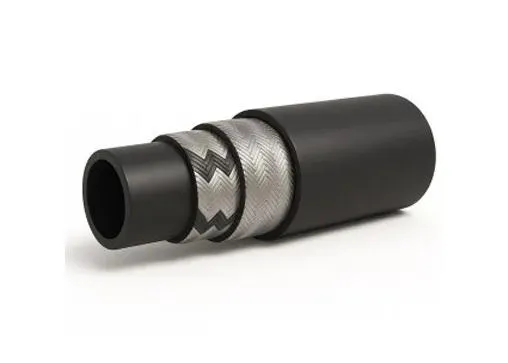
Hydraulic hoses, in contrast, are specifically engineered to carry hydraulic fluids under high pressure. They play a critical role in hydraulic systems used in construction equipment, manufacturing machinery, and automotive applications. These hoses are built with reinforced structures to withstand high pressure and are commonly made from reinforced rubber or thermoplastic materials, with a strong focus on durability and dynamic performance.
Hydraulic hoses and industrial hoses both facilitate fluid transfer, yet they differ significantly in several aspects.
The inner and outer layers of hydraulic hoses are usually made of synthetic rubber with excellent oil resistance. In comparison, industrial hoses use a wider range of materials for their inner and outer layers, including rubber, PVC, and polyurethane. Structurally, hydraulic hoses feature a more robust design consisting of an inner rubber layer, multiple reinforcement layers, and an outer rubber layer. The reinforcement is typically achieved through steel wire braiding (one or two layers) or steel wire winding (four or six layers). Industrial hoses, however, often have lighter reinforcement and more varied constructions, such as fiber braiding, steel wire reinforcement, or multiple plastic and rubber layers, depending on the intended use.
Hydraulic hoses are sized primarily according to inner diameter (I.D.), outer diameter (O.D.), working pressure (W.P.), burst pressure (B.P.), and minimum bending radius (B.R.). They are commonly specified in both metric (mm) and imperial (inch) standards, with inner diameters typically ranging from 3/16″ (4.8 mm) to 2″ (50 mm). This makes them well-suited for high-pressure precision systems. Industrial hoses offer greater flexibility in sizing and can be specified by inner diameter, outer diameter, or a combination of both. Common sizes range from 1/4″ (6 mm) to 12″ (304.8 mm), and certain types (such as air hoses or food-grade hoses) may follow industry-specific sizing standards.
The most notable difference between the two lies in their pressure-handling capabilities. Hydraulic hoses are designed for significantly higher pressures, often rated from 4000 to 6000 psi or even more, making them ideal for demanding hydraulic systems. Industrial hoses are built for low to medium pressure applications, typically below 1000 psi, although some specialized types can reach up to 3000 psi. Additionally, hydraulic hoses usually incorporate a higher safety factor of 4:1, while industrial hoses commonly use a 3:1 safety factor.
Hydraulic hoses generally perform well in temperature ranges from -40°C to +100°C. Certain specialized variants, such as those made with PTFE, can handle -55°C to +210°C. Industrial hoses typically offer a broader temperature range, often from -50°C to +260°C. Depending on the transported medium (air, water, oil, chemicals, or steam), they may use materials like EPDM, silicone, or PTFE to adapt to more extreme or complex temperature environments.
Hydraulic hoses are primarily used in high-pressure hydraulic systems to transmit hydraulic oil, lubricating oil, and similar fluids. Industrial hoses, on the other hand, are designed to carry a much wider variety of media, including air, water, chemicals, fuel, gas, food products, and steam.
Industrial hoses are extensively used in sectors such as food and beverage, pharmaceuticals, chemicals, agriculture, ventilation and exhaust systems, fuel and steam transportation, construction, shipbuilding, and firefighting. Hydraulic hoses are mainly applied in high-pressure fluid power systems, including engineering machinery, mining equipment, agricultural machinery, automotive hydraulic systems, and oil and gas operations.
Hydraulic hoses generally comply with standards such as SAE, DIN EN, and ISO 18752, with emphasis on high pressure resistance, pulse performance, and oil compatibility. These standards make them suitable for heavy-duty hydraulic applications like construction machinery and mining equipment. Industrial hoses follow a broader set of standards, including ISO 2398, EN 12115, FDA, and ISO 6134, focusing on media compatibility, temperature resistance, and safety requirements for applications involving air, water, fuel, chemicals, food, and steam.
Choosing the correct hose depends on the specific demands of your application. For high-pressure hydraulic systems, such as those found in excavators, hydraulic pump stations, or mining machinery, hydraulic hoses from Duoli are the appropriate choice. For transporting low- or medium-pressure media like air, water, fuel, chemicals, or food, industrial hoses are more suitable.
When deciding between industrial hoses and hydraulic hoses, it is important to evaluate several key factors: the maximum pressure required, the type of fluid being transported and its compatibility with the hose material, the operating temperature range, the environmental conditions (including exposure to chemicals, UV light, or harsh weather), and the appropriate length and diameter to ensure optimal flow without kinking or blockage.
If you are looking for reliable suppliers of hydraulic and industrial hoses, feel free to contact Duoli. As a professional manufacturer in China, we offer a comprehensive range of products and can provide large-volume supply along with one-stop purchasing services. Whether you need guidance on selecting the right hose or require efficient procurement support, our experienced sales team is ready to assist.
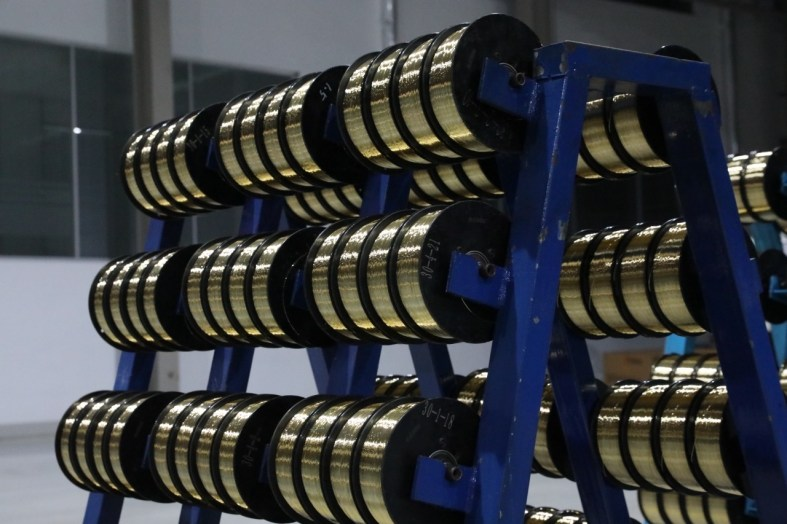
Duoli operates its own production facility with over 20 years of expertise in hydraulic hose manufacturing. We treat every order with care and commitment. Our minimum order quantity is 500 meters, with a daily production capacity reaching 50,000 meters. With more than 50 skilled employees following professional standards, we ensure consistent quality and on-time delivery.
From raw materials to finished products, we maintain a strict quality control system to guarantee the safety and reliability of every hose. We have successfully exported to over 40 countries worldwide, always delivering on time with guaranteed quality. Even for urgent orders, you can trust us to meet your requirements efficiently.
Understanding the differences between hydraulic and industrial hoses is essential for making the right selection for your operations. By carefully considering factors such as pressure ratings, fluid compatibility, temperature resistance, and application environment, you can choose the most suitable hose for your needs. Whether your work involves construction, manufacturing, agriculture, or other industrial fields, selecting the proper hose from Duoli will greatly enhance the efficiency and safety of your systems.

 English