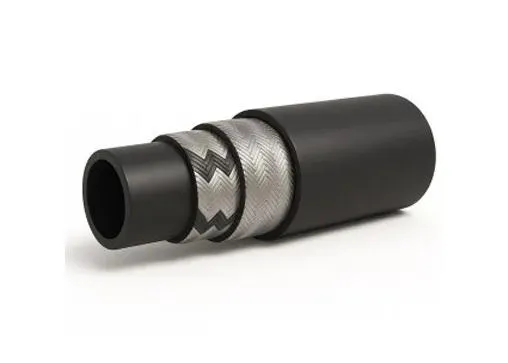
In hydraulic systems, efficiency, safety, and performance all depend heavily on one factor—correct sizing of hoses and fittings. Proper sizing ensures that hydraulic circuits maintain optimal pressure, minimize energy loss, and prevent leaks or failures. This guide outlines why accurate sizing matters, what factors to consider, how to use sizing tools effectively, the most common mistakes to avoid, and the best industry practices to follow. With these insights, you can make informed decisions for building reliable, long-lasting hydraulic systems.
Correct sizing is fundamental to the functionality of any hydraulic setup. Undersized hoses and fittings restrict fluid flow, increasing resistance and heat, which reduces efficiency and accelerates wear. Oversized components, on the other hand, can cause unstable pressure and energy loss. Research shows that poor sizing can lead to up to 20% efficiency loss, directly impacting the performance of machinery such as excavators, tractors, and other industrial equipment. With more than 16 years of experience, Duoli Hydraulic emphasizes that correct sizing not only improves performance but also extends service life, reduces maintenance costs, and ensures safety across all operating conditions.
Several critical factors influence hose and fitting sizing. The first is operating pressure—different systems work under varying levels of stress, and selecting components rated for your application's maximum pressure is essential. Duoli Hydraulic produces fittings capable of withstanding pressures of 3000 PSI and 6000 PSI, suitable for heavy-duty operations. Temperature and fluid type are equally important; high temperatures or corrosive fluids can degrade materials if the wrong hose or fitting is used. Additionally, pay attention to the hose length and bend radius, as excessive bending can impede flow and create weak points prone to failure. The operating environment—indoor versus outdoor—also guides material selection, as exposure to sunlight, moisture, or abrasion can influence durability. By carefully evaluating these factors together, you can ensure consistent performance and long-term system reliability.
Sizing charts and calculators are indispensable tools for selecting the correct hydraulic hoses and fittings. Many manufacturers, including Duoli Hydraulic, offer comprehensive charts that match hose diameters with specific flow rates and pressure levels. For example, a system handling high-flow operations will require a larger hose diameter to maintain pressure stability and prevent flow restriction. Online calculators provide even greater precision, allowing users to input unique operating data such as fluid viscosity, flow rate, and system pressure. Cross-referencing this information helps determine the exact hose size and fitting compatibility needed. Leveraging these tools ensures a data-driven approach, reducing human error and improving the overall design efficiency of your hydraulic system.
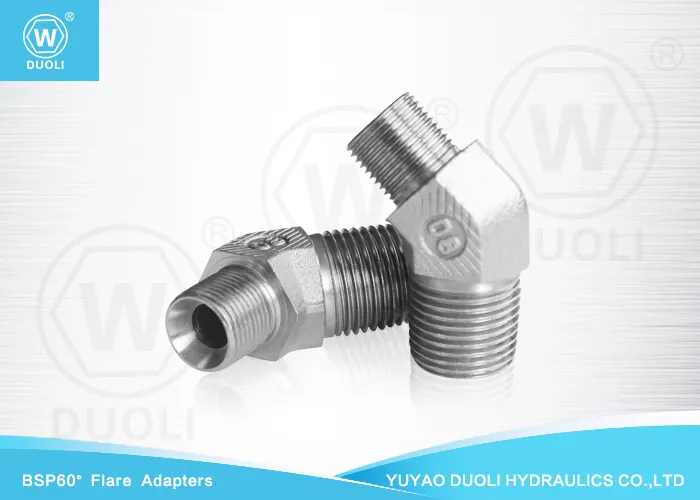
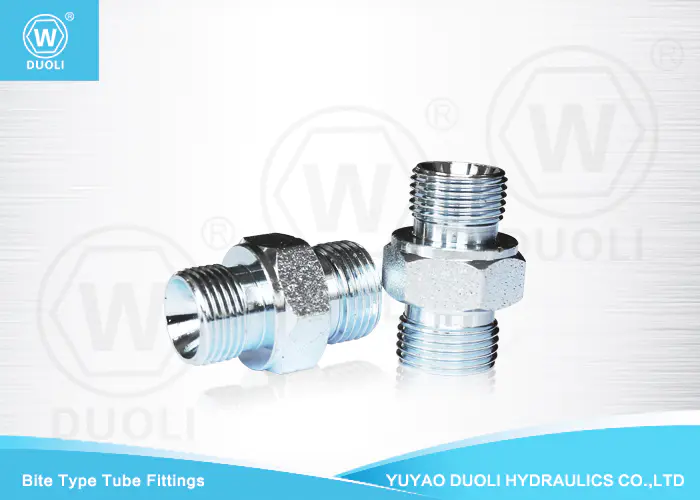
Even experienced technicians can make sizing mistakes, often resulting in costly consequences. A frequent error is choosing a hose diameter that is too small, which restricts flow, raises operating temperatures, and increases component fatigue. Overlooking vibration or dynamic loading can also loosen fittings, leading to leaks or system instability. Another common problem arises from selecting fittings based on assumption rather than specification—for instance, mixing thread types such as BSP, JIC, or ORFS can cause sealing failures. Fortunately, with Duoli's wide range of precision-engineered fittings compliant with global standards, such risks can be minimized. Avoiding these issues through correct measurement and component matching is vital to preventing performance loss and unplanned system downtime.
To achieve optimal efficiency and safety, always adhere to best practices in hydraulic sizing. Begin by consulting manufacturer recommendations and ensuring complete alignment with system requirements, including pressure ratings, temperature ranges, and compatible fluids. Document the sizing data for easy reference during maintenance or upgrades. It's also essential to review your systems periodically, as operational conditions and fluid parameters can change over time. Collaborating with trusted suppliers like Duoli Hydraulic provides valuable expertise—offering tailored guidance based on your machinery and performance targets. Consistency in following sizing standards and proactive component reviews will significantly enhance system longevity and reliability.
Proper sizing of hydraulic hoses and fittings lies at the heart of efficient, safe, and cost-effective hydraulic operations. By considering each influencing factor—pressure, temperature, flow rate, and environmental conditions—you can prevent premature failures and maximize productivity. Avoiding common sizing mistakes and relying on accurate tools transforms system performance and reduces maintenance demands. With its years of expertise and commitment to quality, Duoli Hydraulic delivers precision-engineered products and professional support to help you achieve optimal results. Taking these proactive steps ensures your hydraulic systems remain strong, efficient, and dependable well into the future.

 English