Hydraulic systems often require flexible connection solutions that can manage space limitations while maintaining reliable fluid flow. Among various hydraulic connection components, BSPT elbow fittings are widely used because they allow directional changes while providing secure threaded connections.
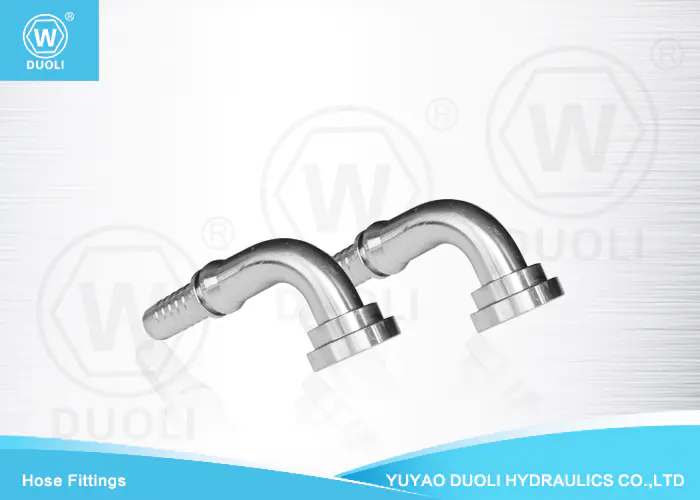
A BSPT elbow helps redirect hydraulic lines by changing the flow path, commonly at 45° or 90° angles. With tapered pipe threads designed for reliable sealing, these fittings are frequently used in hydraulic equipment, industrial machinery, and fluid control systems.
Duoli Hydraulics provides hydraulic fitting solutions designed for different industrial applications, helping customers achieve stable connections, efficient routing, and long-term system performance.
A BSPT elbow is a threaded hydraulic fitting designed to change fluid flow direction while providing a secure connection through tapered pipe threads.
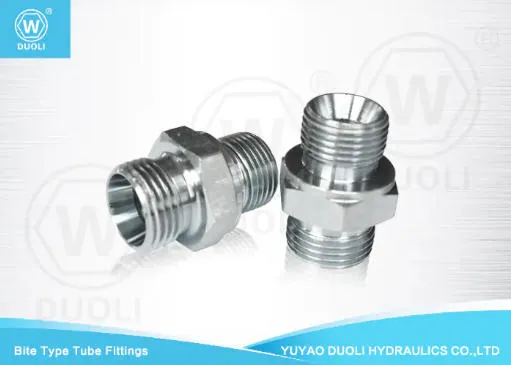
BSPT stands for British Standard Pipe Taper, which uses tapered threads that gradually increase in diameter along the fitting. This design allows the male and female threads to create a tight connection as they are assembled.
Unlike straight-thread fittings, BSPT fittings rely on thread interference and sealing materials to prevent leakage. This makes them suitable for many hydraulic and industrial applications where reliable fluid control is required.
A BSPT elbow is commonly used when hydraulic lines need to be redirected without creating excessive bending stress on hoses or pipes. The angled design improves installation flexibility while helping optimize system layout.
BSPT and BSP elbow connections differ mainly in thread design and sealing methods, which affect how each fitting is installed and used.
| Feature | BSPT | BSP |
|---|---|---|
| Thread type | Tapered thread | Parallel thread |
| Sealing method | Thread interference with sealant | Washer, O-ring, or sealing ring |
| Connection design | Threads tighten to create sealing contact | Threads provide mechanical connection |
| Common use | Hydraulic and industrial systems | General pipe connection applications |
BSPT connections are often preferred in hydraulic systems because the tapered thread design helps create a strong sealing connection. BSP parallel threads, however, are commonly used where external sealing components provide the main sealing function.
Understanding the difference between these two connection types helps engineers select the correct fitting for their system requirements.
BSPT elbow routing options allow hydraulic systems to change direction efficiently while adapting to different installation spaces and flow requirements.
The angle of an elbow fitting directly affects hose routing, equipment layout, and maintenance accessibility.
Common options include:
45° BSPT elbow: Provides a smoother directional change and is useful when a gradual angle is preferred to reduce sharp routing changes.
90° BSPT elbow: Creates a right-angle connection, making it suitable for tight installation spaces where a direct direction change is needed.
Space optimization: Angled fittings help reduce unnecessary hose bending and improve equipment layout.
Flow direction management: Proper elbow selection helps create cleaner hydraulic routing and easier maintenance access.
Choosing between a 45° and 90° elbow depends on available space, hose movement, and the overall design of the hydraulic system.
BSPT tapered thread sealing relies on thread engagement and additional sealing methods to create a leak-resistant hydraulic connection.
Because BSPT threads are tapered, the connection becomes tighter as the fitting is tightened. However, proper sealing practices are still important to ensure reliable performance.
Common sealing methods include PTFE tape and liquid thread sealants. These materials help fill small gaps between threads and improve leak prevention.
Proper thread preparation is also important. Contaminants, incorrect sealing materials, or damaged threads may affect connection performance.
For hydraulic applications, selecting the correct sealing method helps maintain system pressure and reduce maintenance problems.
Proper installation torque and alignment are essential for ensuring BSPT elbow fittings maintain sealing performance and mechanical reliability.
Correct installation prevents common problems such as leakage, thread damage, and unnecessary stress on hydraulic components.
Important installation practices include:
Proper tightening: Apply suitable torque according to fitting specifications to create a secure connection without damaging threads.
Avoid over-tightening: Excessive force may damage tapered threads or reduce sealing performance.
Correct alignment: Ensure the fitting is positioned properly before final tightening to prevent stress on hoses and connected components.
A carefully installed BSPT elbow improves system reliability and helps extend the service life of hydraulic connections.
Selecting the right BSPT elbow fitting requires evaluating thread size, material, pressure rating, and operating environment.
The correct fitting should match both the hydraulic system requirements and the working conditions.
Key selection factors include:
Thread size and compatibility: Confirm that the fitting matches existing hoses, ports, and hydraulic components.
Material selection: Choose suitable materials based on corrosion resistance, temperature, and application requirements.
Pressure rating: Ensure the fitting can safely handle the system’s operating pressure.
Application environment: Consider vibration, outdoor exposure, and maintenance conditions.
Choosing suitable BSP elbow fittings helps improve hydraulic system efficiency and reduces the risk of connection failures.
Duoli Hydraulics provides hydraulic fitting solutions with professional manufacturing capabilities, quality control, and customization support.
Reliable hydraulic systems require fittings that provide consistent performance under demanding operating conditions. Duoli Hydraulics focuses on producing hydraulic connection solutions suitable for industrial equipment, machinery, and customized applications.
With experience in hydraulic fitting manufacturing, the company supports customers with products designed for durability, accurate dimensions, and dependable performance.
Whether for standard applications or specialized projects, Duoli Hydraulics helps customers achieve reliable fluid connection solutions.
BSPT elbow fittings provide an effective solution for hydraulic systems that require directional changes, secure threaded connections, and flexible installation options.
With tapered thread design, reliable sealing methods, and multiple routing options, BSPT elbows are widely used in industrial equipment, hydraulic machinery, and fluid control applications.
Selecting the correct angle, thread specification, material, and installation method is essential for achieving long-term system performance. Duoli Hydraulics provides professional hydraulic fitting solutions designed to meet different engineering requirements.
A BSPT elbow is used to change hydraulic line direction while maintaining a secure threaded connection.
BSPT threads are tapered and create sealing through thread engagement, while BSP threads are parallel and usually require additional sealing components.
Yes. BSPT elbows are commonly used in hydraulic and industrial applications where reliable threaded connections are required.
A 45° elbow provides a gradual direction change, while a 90° elbow creates a sharper right-angle connection for tighter spaces.
BSPT fittings use tapered thread engagement combined with suitable sealing methods to reduce leakage risks.
Consider thread size, material, pressure rating, application environment, and compatibility with existing hydraulic components.


 English