Hydraulic systems rely on dependable fluid connections to transfer power efficiently and safely. Selecting the correct hydraulic hose pipe is essential because hose performance directly affects system pressure stability, equipment reliability, and operating safety.
A suitable hydraulic hose must match the working pressure, temperature conditions, fluid type, and installation environment of the application. Choosing an unsuitable hose may lead to leakage, reduced efficiency, premature wear, or unexpected equipment downtime.
Duoli Hydraulics provides hydraulic connection solutions designed for industrial machinery, mobile equipment, and demanding hydraulic applications, helping customers select reliable hose products for different operating conditions.
A hydraulic hose pipe is a flexible connection component designed to transfer hydraulic fluids under different pressure, temperature, and operating conditions.
Unlike simple fluid tubes, hydraulic hoses are engineered with multiple layers to withstand pressure, vibration, and mechanical stress.
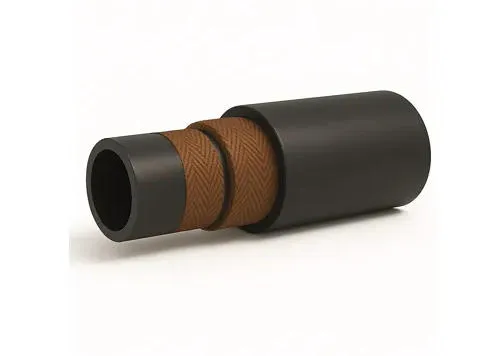
A typical hydraulic hose pipe consists of an inner tube, reinforcement layer, and outer cover. The inner tube provides fluid compatibility and ensures smooth hydraulic flow. The reinforcement layer, which may use wire braid, spiral wire, or textile materials, provides the strength needed to handle internal pressure. The outer cover protects the hose from abrasion, weather exposure, and environmental damage.
Different hose constructions are designed for different working conditions. For example, high pressure hydraulic hoses usually require stronger reinforcement structures, while low-pressure applications may use lighter hose designs.
Understanding hose construction helps engineers select products that match the performance requirements of their hydraulic systems.
Determining the correct working pressure is one of the most important steps when selecting a hydraulic hose pipe because the hose must safely withstand the hydraulic system’s operating conditions.
Hydraulic hoses are rated according to their maximum working pressure, which should always be suitable for the system’s normal operating range and possible pressure fluctuations.
Important considerations include:
Working pressure: Select a hose with a pressure rating higher than the system’s regular operating pressure.
Burst pressure: Consider the maximum pressure resistance of the hose to provide additional safety protection.
Safety factor: Allow sufficient margin for pressure spikes, vibration, and unexpected operating conditions.
Application requirements: Heavy machinery and industrial equipment may require stronger hose designs than standard applications.
Selecting the correct pressure rating helps prevent hose failure and improves overall hydraulic system reliability.
Hydraulic hose pipe selection must consider both temperature range and fluid compatibility because these factors directly influence hose durability and performance.
Temperature affects the flexibility, strength, and sealing capability of hose materials. A hose designed for standard environments may not perform effectively when exposed to extreme heat or cold.
Fluid compatibility is equally important. Hydraulic oils and other fluids can affect the inner tube material if the hose is not designed for that specific application.
When choosing a hose, engineers should evaluate operating temperature, hydraulic fluid type, and environmental conditions. For applications involving elevated temperatures, a high temperature hose with suitable material resistance can provide better performance and longer service life.
Proper material selection ensures that the hose maintains flexibility, sealing performance, and structural strength throughout its operating life.
Proper hydraulic hose routing and bend radius management help maintain hose performance and prevent premature damage.
The bend radius refers to the minimum curve a hose can safely handle without affecting its structure. Incorrect routing or excessive bending can create stress on reinforcement layers and reduce pressure capability.
| Factor | Impact |
|---|---|
| Small bend radius | Increased risk of reinforcement damage |
| Proper routing | Longer service life and improved reliability |
| Excessive bending | Reduced performance and possible hose failure |
During installation, hoses should avoid sharp bends, twisting, and unnecessary mechanical stress. Proper routing also improves maintenance accessibility and helps extend hose service life.
For complex hydraulic systems, selecting the correct hose length and installation position is just as important as choosing the correct hose specification.
Impulse life measures how well a hydraulic hose withstands repeated pressure cycles, making it an important factor for demanding hydraulic applications.
Hydraulic equipment often experiences repeated pressure changes caused by machine movement, valve operation, and working cycles. Over time, these pressure fluctuations can create fatigue inside the hose structure.
Important durability factors include:
Pressure cycles: Frequent pressure changes can affect reinforcement performance over time.
Vibration resistance: Mobile equipment requires hoses that can handle continuous movement and vibration.
Fatigue performance: Strong hose construction helps maintain reliability under repeated operation.
For heavy-duty equipment and industrial systems, selecting hoses with strong impulse resistance helps reduce maintenance requirements and improve equipment uptime.
Selecting the right hydraulic hose pipe requires evaluating pressure, temperature, fluid type, and installation conditions before purchase.
A proper selection process should consider:
Pressure rating: Confirm that the hose can handle normal and peak system pressures.
Temperature range: Ensure the hose material is suitable for the operating environment.
Fluid compatibility: Verify that the inner tube material matches the hydraulic fluid being used.
Installation environment: Consider abrasion, vibration, routing space, and external exposure.
For specialized applications, working with experienced suppliers can help ensure the selected hose meets technical and performance requirements.
Duoli Hydraulics provides hydraulic hose solutions with manufacturing experience, quality control, and technical support for different industrial applications.
Reliable hydraulic hose systems require accurate specifications, consistent manufacturing standards, and dependable performance. Duoli Hydraulics focuses on providing hydraulic components designed for industrial machinery, mobile equipment, and customized hydraulic applications.
With professional manufacturing capabilities and attention to product quality, Duoli Hydraulics helps customers achieve reliable hydraulic connection systems that improve equipment performance and operational safety.
Choosing the correct hydraulic hose pipe is essential for maintaining hydraulic system reliability, efficiency, and safety. Factors such as working pressure, temperature conditions, fluid compatibility, bend radius, and impulse life all influence hose performance.
Whether selecting an industrial hydraulic hose, high pressure hydraulic hoses, or a solution for specialized applications, understanding operating requirements helps prevent failures and extend service life.
Duoli Hydraulics provides reliable hydraulic hose solutions designed to support different equipment needs and challenging operating environments.
A hydraulic hose pipe transfers hydraulic fluid between components while allowing flexible movement in hydraulic systems.
Select a hose with a working pressure rating higher than the system’s normal operating pressure and suitable for possible pressure fluctuations.
Pressure cycles, temperature, fluid compatibility, bending, vibration, and installation quality all influence hose durability.
High pressure hydraulic hoses use stronger reinforcement structures, while low pressure hoses are designed for applications with lower operating pressure requirements.
Proper bend radius prevents reinforcement damage, maintains flow performance, and extends hose service life.
Choose a supplier with reliable manufacturing capabilities, quality control processes, technical support, and experience with hydraulic applications.


 English