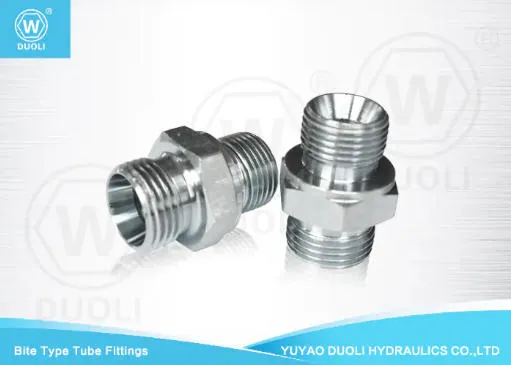
In hydraulic systems, secure and dependable connections are crucial for maintaining performance and safety. Reusable hydraulic hose fittings offer a practical way to achieve reliable connections while allowing for easy maintenance and replacement. This article explains how to properly install these fittings, outlining the necessary tools, detailed installation steps, safety precautions, and common issues that may arise. Understanding each of these areas not only helps improve operational efficiency but also extends the life and durability of hydraulic systems, especially in demanding fields such as construction and agriculture.
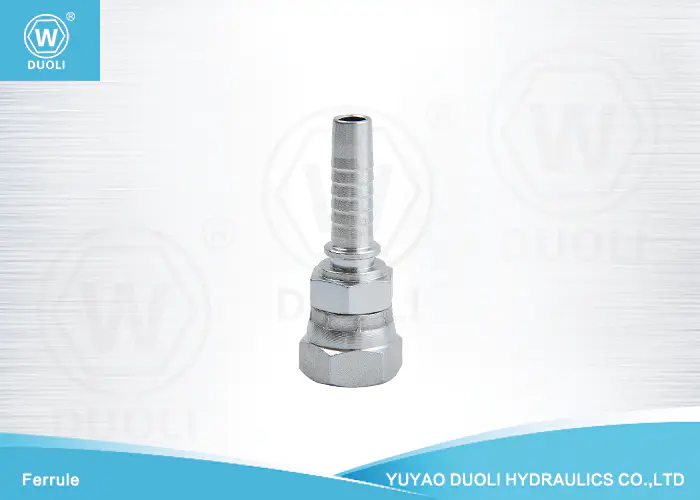
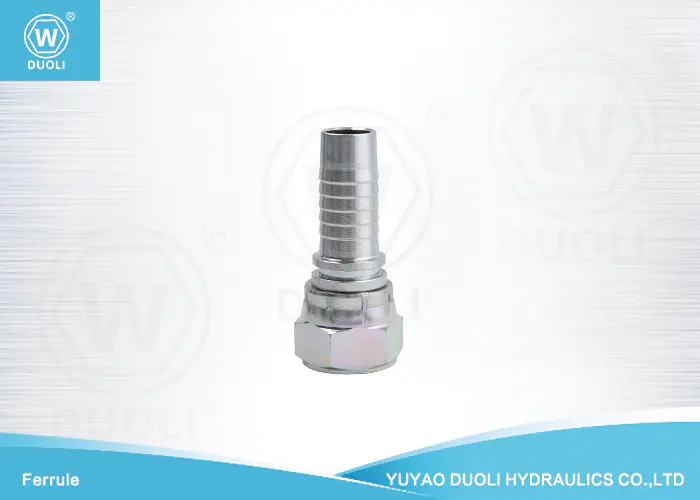
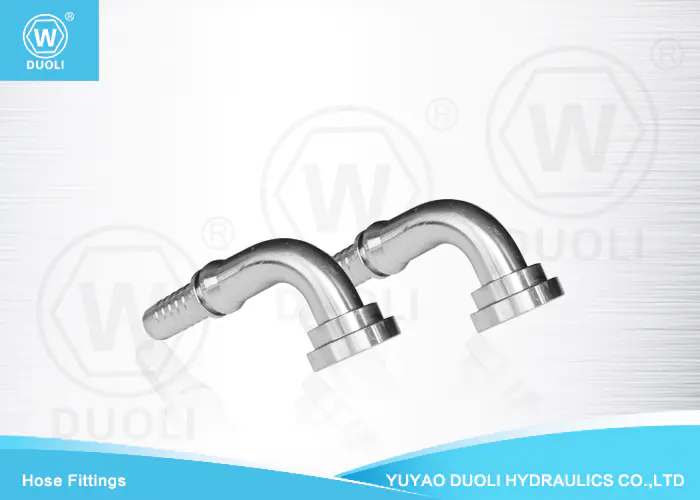
Reusable hydraulic hose fittings are designed to be disassembled and used again, offering both financial and environmental benefits. They come in various configurations based on Metric, British, and American standards, and are engineered to handle high operating pressures. These features make them ideal for challenging applications such as fluid transmission in railway systems or cooling systems in data centers. Using reusable fittings can lead to significant cost savings over time while reducing waste associated with frequent hose replacements. Established in 2009, Duoli Hydraulic has built a strong reputation in this field by offering a diverse range of premium hoses and fittings. With 16 years of experience, Duoli provides both standard and custom-engineered solutions that meet the specific needs of customers across different industries.
Before starting the installation, having the right tools on hand is critical. A proper hydraulic hose cutter ensures clean, even cuts that prevent leaks. A torque wrench helps apply the exact amount of torque specified for each fitting, while a fitting assembly tool allows for smooth and secure fitting placement onto the hose. Personal protective gear such as gloves and safety goggles is essential to prevent injury, and a measuring tape is useful for ensuring hoses are cut to the correct length. Using the correct tools not only guarantees a secure connection but also enhances safety and productivity. Duoli offers durable hoses and fittings designed to work seamlessly with these tools, ensuring a smooth, precise installation process.
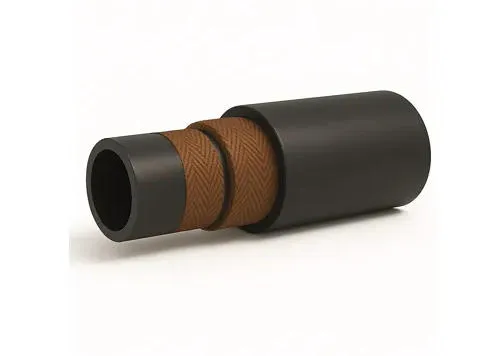
To ensure a proper installation, it's important to follow a structured approach. Begin by selecting a hose and fitting that meet your system's specific diameter and pressure requirements. Cut the hose using a hydraulic hose cutter, making sure the cut is perfectly straight to avoid fraying. Examine the fittings for any damage or debris, and clean the threads before starting assembly. Insert the fitting into the hose until it reaches the correct depth—most fittings include marks indicating the proper insertion point. Once inserted, use a fitting assembly tool to lock the fitting securely in place, checking for any gaps. Finally, apply the correct torque using a torque wrench, following the manufacturer's specifications to ensure a leak-free seal. Following these procedures, as recommended by Duoli, ensures a durable connection capable of withstanding pressure in various industrial and mobile applications.
Safety should always be the top priority during hydraulic fitting installation. Always wear gloves and safety goggles before beginning work and confirm that the hydraulic system is fully depressurized. Inspect all hoses and fittings for wear or damage before installation to avoid premature failure. Adhere strictly to the torque guidelines specified by the manufacturer and perform a final leak check after completing the assembly. At Duoli Hydraulic, safety is a fundamental design principle. Every product is engineered with reliability in mind to reduce risks, prevent leaks, and minimize costly downtime in high-demand environments.
While the installation of reusable fittings is generally straightforward, challenges can occur if procedures are overlooked. One of the most frequent problems is poor sealing, often caused by improper torque or incomplete seating of the fittings. Ensuring precise torque values prevents leaks. Another issue is hose fraying, typically a result of improper cutting tools or rough handling—this can be avoided by using a high-quality hose cutter. Choosing the wrong fitting type can also create compatibility issues, so always double-check system standards before installation. Over-tightening is another common error that can damage threads and fittings. Using a torque wrench and following the proper specifications minimizes this risk. Taking proactive steps to prevent these common issues will enhance both the reliability and lifespan of hydraulic systems powered by Duoli's fittings and hoses.
Installing reusable hydraulic hose fittings requires attention to detail, the correct tools, and a careful approach to safety. By following a methodical process and understanding how to address common issues, you can ensure strong, leak-free connections and long-term system reliability. With its ongoing commitment to quality and customer satisfaction, Duoli Hydraulic provides the expertise, products, and support needed to help users achieve optimal results. For more information or to explore their full range of hydraulic components, contact Duoli or visit their official product line for tailored solutions.


 English