In hydraulic systems, every connection matters. A single improperly installed fitting can compromise safety, efficiency, and performance. Knowing how to properly attach fittings to hydraulic hoses is essential for maintaining long-lasting, leak-free connections. This guide walks you through the types of hydraulic fittings, hose preparation procedures, proper installation techniques, and essential post-installation checks. Whether you’re an experienced technician or handling maintenance tasks for the first time, mastering these steps will help ensure your hydraulic systems operate reliably and safely.
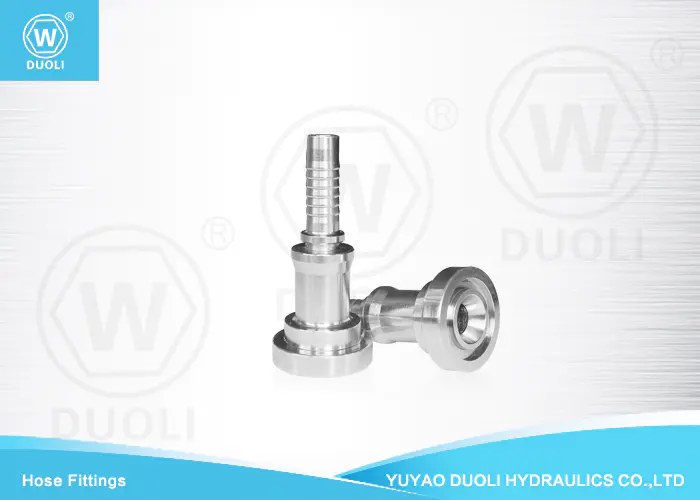
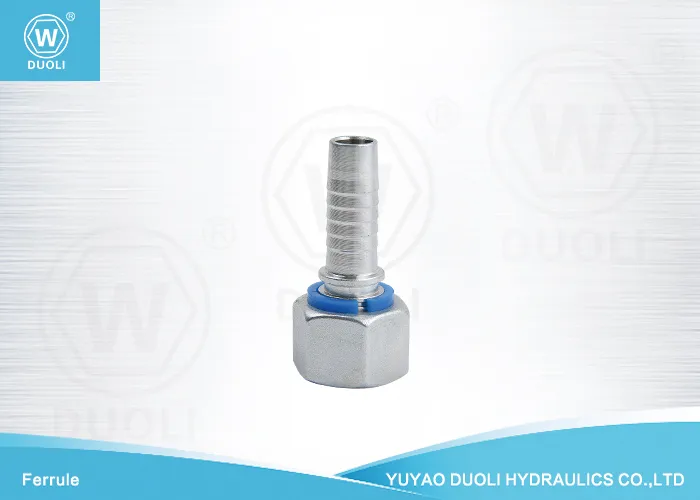
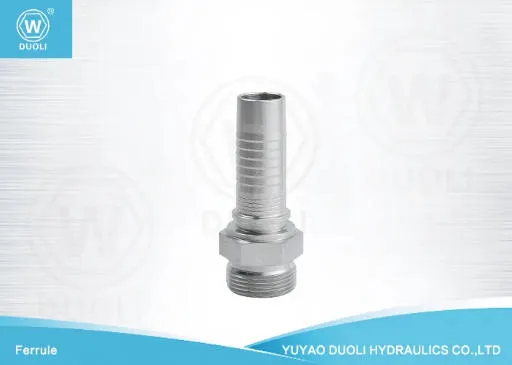
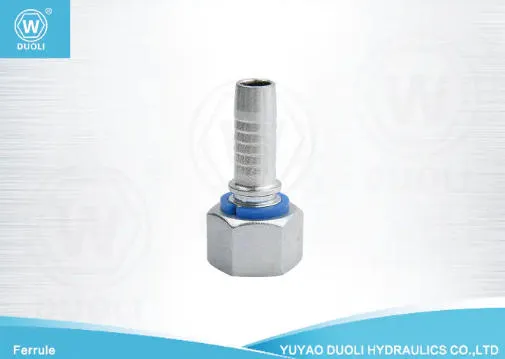
Hydraulic hose fittings are available in a variety of configurations, each serving specific operating needs. SAE flange fittings are a common choice in high-pressure systems, available in two primary pressure ratings, 3000 PSI (Code 61) and 6000 PSI (Code 62), and offered in straight, 30°, 45°, and 90° designs. Metric fittings, including the Female/Male Multi Seal and 24° Cone types, are widely used in European machines for their precise sealing capability. British Standard Pipe (BSP) fittings feature 60° cone designs and are known for their compatibility across numerous fluid systems, particularly in the UK. JIC fittings, featuring a 37° cone seat, provide durable, high-performance sealing suited to North American standards. ORFS (O-Ring Face Seal) fittings use a flat-face design with an O-ring to prevent leakage under high pressure.
Duoli Hydraulic offers an extensive range of fittings that meet global standards, ensuring compatibility, safety, and reliability for a wide variety of applications.
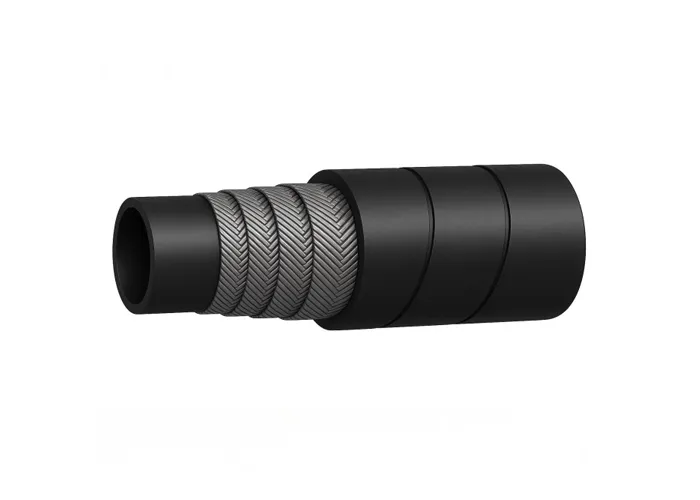
Before installing fittings, proper hose preparation is vital to achieve a secure and effective connection. Start by cutting the hose to the required length using a hydraulic hose cutter. The cut must be straight and clean to prevent leakage or weak spots in the seal. Next, use a cleaning tool or compressed air to remove any internal particles or dust, as debris can damage fittings or contaminate the hydraulic system. Once the hose is clean, identify the correct fitting based on system pressure, fluid type, and application requirements. Duoli Hydraulic manufactures hoses that conform to ISO 18752 standards, designed for consistent performance under varying pressures and conditions. Always consult manufacturer guidelines to confirm compatibility between the hose and fitting types before proceeding with installation.
Installing fittings onto hoses requires precision and care. Begin by inserting the fitting’s stem into the hose until it reaches the base of the ferrule. Then position the hose within a hydraulic crimping machine or press designed for the specific fitting size. Apply consistent crimping pressure to achieve a uniform, secure connection; over-crimping can damage the hose, while under-crimping can cause leaks. After crimping, perform a visual inspection to confirm even compression and proper alignment. Professional assembly facilities, like those operated by Duoli Hydraulic, use advanced crimping equipment to ensure each fitting is attached to precise tolerances. This step is crucial to maintaining the system’s pressure integrity and minimizing long-term maintenance issues.
Leak testing is a mandatory final step in hose assembly. Once the fittings are installed, pressurize the hydraulic system to its recommended operational level. Inspect every connection closely for signs of fluid seepage. For added accuracy, you can apply a soap solution around the fittings—if bubbles appear, it indicates leakage that needs immediate correction. Addressing minor leaks early prevents major system failures later. Using reliable, precision-made components from Duoli Hydraulic greatly reduces the risk of leaks, ensuring your system operates safely and efficiently under demanding conditions.
While many fitting installations can be handled in-house, certain situations warrant professional assistance. Systems operating at extremely high pressures, or those requiring custom-engineered hoses or fittings, should always involve experts. If you experience recurring leaks, pressure fluctuations, or difficulties identifying the correct specifications, consulting professionals like the specialists at Duoli Hydraulic can save time, reduce costs, and prevent system damage. Complex hydraulic systems demand precise execution, and professional insight helps guarantee performance and safety.
Properly fitting hydraulic hoses is more than a maintenance task—it’s a safeguard for system reliability and workplace safety. By understanding the types of fittings, preparing hoses correctly, applying precise installation methods, and testing for leaks, you can ensure strong, long-lasting hydraulic connections. For high-quality components built to exact standards, Duoli Hydraulic provides durable hoses and fittings engineered for exceptional performance across industries. To learn more about hydraulic solutions or to request technical support, visit Duoli Hydraulic or contact their expert team for personalized assistance.

 English